Key takeaways
- The fastest mainstream gaming CPU available in 2026
- Excellent frame-time consistency and high-refresh performance
- Second-gen 3D V-Cache under the cores enables higher clocks and overclocking
- Drops into the long-lived AM5 platform with a BIOS update
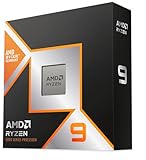
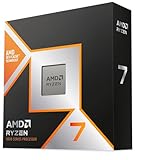
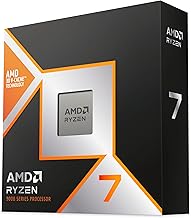
The AMD Ryzen 7 9800X3D is, for most of 2026, the definitive gaming CPU. This 8-core, 16-thread Zen 5 chip carries AMD’s second-generation 3D V-Cache, and crucially places that cache beneath the cores rather than on top, unlocking higher clocks and, for the first time on an X3D part, proper overclocking headroom.
It is built for gamers who want the highest frame rates available and do not want to compromise, particularly at high refresh rates where CPU limits bite. If you are building around a strong GPU and want the chip least likely to bottleneck it, the 9800X3D is aimed squarely at you.
Our top picks
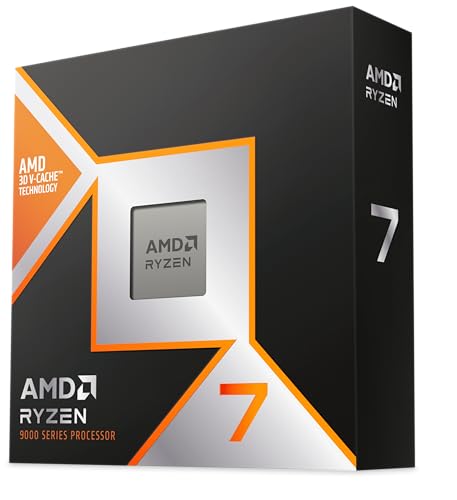
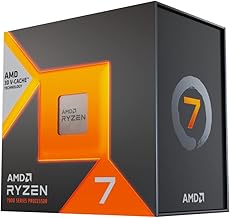
 AMD Ryzen 7 7800X3D 8-Core
- Product Group: Personal Computer
- Binding: Personal Computers


As an Amazon Associate we earn from qualifying purchases at no extra cost to you. Ratings are shown as listed on Amazon.
⚡ Save on Your Next PC — Amazon Prime
Prime members get fast free shipping on the systems above, plus early access to Prime Day & Black Friday PC deals. New members get a 30-day free trial.
Watch: Ryzen 7 9800X3D Review — Video Review
Design & Build
Physically this is a standard AM5 socket chip, so it drops into existing 600-series boards after a BIOS update and keeps AMD’s promise of a long-lived platform. The engineering story is the relocated 3D V-Cache: putting the cache die under the compute die improves thermal transfer, which is why the 9800X3D clocks higher and runs its cache-heavy magic without the temperature ceiling that held back earlier X3D chips. It is a 120W TDP part and wants a capable cooler to stretch its legs.
Performance
In games, the 9800X3D is simply the fastest mainstream option, and it is not especially close. The enormous L3 cache keeps game data close to the cores, which pays off most at 1080p and 1440p and at high frame rates where the CPU, not the GPU, sets the pace. Frame-time consistency is excellent, and the chip’s newfound clock headroom means it also holds up far better in productivity than its predecessor.
The honest caveats are about value and workload fit. If you game at 4K with a heavy GPU load, much of the CPU advantage is masked by the graphics card, and a cheaper chip would deliver near-identical frame rates. For pure multi-threaded production work the higher-core Ryzen 9 parts pull ahead. And while it now overclocks, the real-world gains are modest; the chip is close to optimal out of the box. It also commands a premium and is frequently in high demand.
Pros & Cons
- The fastest mainstream gaming CPU available in 2026
- Excellent frame-time consistency and high-refresh performance
- Second-gen 3D V-Cache under the cores enables higher clocks and overclocking
- Drops into the long-lived AM5 platform with a BIOS update
- Advantage shrinks at 4K where the GPU is the limiter
- Higher-core Ryzen 9 chips are better for heavy multi-threaded work
- Premium price and recurring stock shortages
Alternatives to Consider
If gaming is only part of the picture and you also render or compile, the AMD Ryzen 9 9950X3D brings 16 cores for serious multi-threaded muscle alongside strong gaming. Watching your budget? The previous-generation AMD Ryzen 7 7800X3D still delivers most of the gaming experience for less. If you value raw clocks over cache for mixed workloads, the AMD Ryzen 7 9700X is a leaner, cheaper Zen 5 option.
Frequently Asked Questions
Is the 9800X3D worth it over the 7800X3D?
For pure gaming the uplift is real but incremental. The bigger gains are in productivity and the new overclocking headroom, so if you only game the 7800X3D remains excellent value.
Do I need a new motherboard?
No. It uses the AM5 socket and works in existing 600-series boards after a BIOS update, which is one of the platform’s biggest long-term advantages.
Does it matter at 4K?
Less than at 1080p or 1440p. At 4K the GPU usually sets the frame rate, so the CPU’s lead narrows and a cheaper chip can perform almost identically.
What cooler do I need?
A quality 240mm or 360mm AIO or a strong tower air cooler is ideal to let it hold peak clocks. It is a 120W part, so cheap coolers will limit its performance.
Verdict
The Ryzen 7 9800X3D earns its reputation as the gaming CPU to beat in 2026. Unless you play exclusively at 4K or need heavy multi-core throughput, it is the most complete high-refresh gaming processor money can buy, provided you can find it in stock and pair it with a capable cooler.