Our Top Picks
 Canon EOS R100 Mirrorless Camera RF-S18-45mm F4.5-6.3 is2.7 x 4.6 x 3.4 inches0 PoundsCheck on Amazon
 Canon EOS R50 Mirrorless Camera RF-S18-45mm F4.5-6.3 is2.71 x 4.58 x 3.37 inches1 PoundsCheck on Amazon
Food photography is a small-scene discipline that rewards a very particular set of camera traits. You are usually shooting a plate from a foot or two away, often from directly overhead, under window light or a single lamp, and you want the front edge of a burger sharp while the table fades softly behind it. That makes close focusing ability, lens choice, and a screen you can tilt over a flat-lay far more important than long zoom ranges or headline resolution numbers. A camera that is brilliant for sports or wildlife can be mediocre at a brunch table.
This guide is for home cooks building a recipe blog, restaurant owners who photograph their own menus, and hobbyists who want their dinner to look as good online as it does on the plate. Seven cameras from the brief are covered, from a budget flip-screen compact with a macro lens to mirrorless and full-frame kits you can grow with. Remaining models in the brief were set aside because they lean toward long-zoom travel use rather than tabletop work. Judgments below come only from the specs in each title, so treat them as a shortlist to verify before you buy in 2026.
Quick Picks

G-Anica 5K 64MP Digital Cameras for Photography with Dual-Lens WiFi | Vloging Wifi Camera with 180° Flip Screen, Wide-Angle & Macro Lens, 16X Zoom All-in-One Camera Kit for Beginners, 2 Batteries
One of the consumer electronics options compared in this guide.
View on Amazon
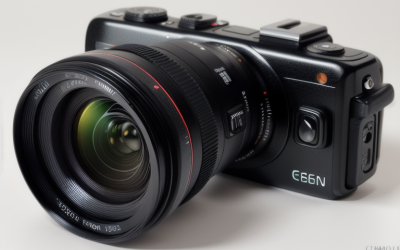
64MP 8K Cameras for Photography with 2.8" Flip Screen & Hot Shoe,Black | 16X Zoom, WiFi, Autofocus,Vlogging Camera for YouTube, 32GB Card & 2 Batteries
One of the consumer electronics options compared in this guide.
View on AmazonCanon EOS R100 Mirrorless Camera RF-S18-45mm F4.5-6.3 is STM Lens Kit | 24.1 Megapixel CMOS (APS-C) Sensor, 4K Video, Wi-Fi & Bluetooth, Beginner Photographers & Creators, Digital Camera
One of the consumer electronics options compared in this guide.
View on AmazonCanon EOS R50 Mirrorless Camera RF-S18-45mm F4.5-6.3 is STM Lens Kit | 24.2 Megapixel CMOS (APS-C) Sensor, 4K Video, Vlogging, Content Creation, Photography, Digital Camera, Black
One of the consumer electronics options compared in this guide.
View on Amazon
Canon EOS Rebel T7 DSLR Camera Double Zoom Lens Kit | EF-S 18-55mm & EF 75-300mm Lenses, 24.1 Megapixel CMOS (APS-C) Sensor, Full HD Videos, Wi-Fi, Beginner Photographers
One of the consumer electronics options compared in this guide.
View on Amazon
Canon EOS R50 V Mirrorless Camera RF-S14-30mm F4-6.3 is STM PZ Lens Kit | APS-C Sensor, 24.2 Megapixels, Ultra-Wide Zoom, Fast Autofocus, Vlogging & Live Streaming Kit for Content Creators
One of the consumer electronics options compared in this guide.
View on Amazon
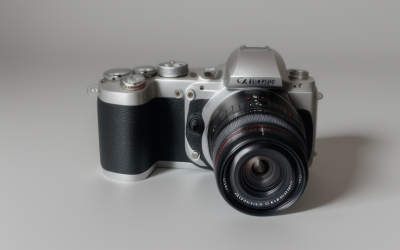
Sony Alpha a7 IV Mirrorless Camera with 28-70mm Lens Black | 28-70mm Zoom Kit
One of the consumer electronics options compared in this guide.
View on Amazon| Product | Best for | Key spec from the title |
|---|---|---|
| G-Anica 5K Dual-Lens Camera | Cheap start for blog and social posts | 64MP, 180-degree flip screen, wide-angle and macro lens |
| 64MP 8K Flip-Screen Camera | Overhead flat-lay shots on a tight budget | 2.8″ flip screen, hot shoe, 16X zoom, WiFi |
| Canon EOS R100 kit | First interchangeable-lens camera | 24.1MP APS-C sensor, RF-S18-45mm lens |
| Canon EOS R50 kit | Creators who post photos and video | 24.2MP APS-C sensor, 4K video, content creation |
| Canon EOS Rebel T7 Double Zoom kit | Learning on a proven DSLR layout | 24.1MP APS-C, 18-55mm and 75-300mm lenses |
| Sony Alpha a7 IV kit | Serious menu and cookbook work | Mirrorless body with 28-70mm zoom kit |
| Canon EOS RP kit | Entry to full-frame for plated dishes | Full-frame, RF24-105mm lens, compact and lightweight |
How to Choose
Focus distance and lens matter more than resolution
The single biggest factor in food photography is how close the lens can focus while staying sharp. Look for lenses with a published minimum focus distance of about a foot or less, or a dedicated macro mode if you shoot garnishes and textures. A kit zoom in the 24-70mm range lets you frame a whole table or step closer for a single bite. Extra megapixels rarely help, since a 24MP file is already larger than any blog or menu will display.
Sensor size and background blur
A larger sensor makes it easier to melt the background into a soft blur, which is what makes a plate pop. APS-C and full-frame sensors do this far better than the small sensors in budget compacts. If you can open the aperture to around f/2.8 to f/4 on a kit or prime lens, you will isolate a dish more convincingly than with a phone-style wide lens.
A tilting or flip screen for overhead angles
Picture a bowl of ramen shot from directly above: the camera hangs over steam and chopsticks while your eye is nowhere near the viewfinder. Overhead flat-lays are the signature of modern food photography, and they require a screen you can see from above. A flip-out or tilting display lets you hold the camera over a table without standing on a chair. Make sure the screen articulates and does not simply tilt upward only, and check that the camera can sit on a tripod arm without blocking the battery door.
What to ignore and where budget models cut corners
Ignore claims like 8K video and 64MP photos on unbranded cameras; they can reflect software scaling rather than real sensor resolution, so judge by sensor size and lens quality instead. Budget models cut corners on sensor quality, low-light noise, and lens sharpness at the edges. Also remember lighting: a cheap camera by a window beats an expensive one under a yellow ceiling bulb. Plan for a tripod, a reflector, and a white card before upgrading the body. Wi-Fi and Bluetooth listings are worth having too, since sending shots to a phone for quick edits saves a trip to the computer.
The 7 Best Options
G-Anica 5K 64MP Dual-Lens Camera
A compact digital camera with a dual-lens design, a 180-degree flip screen, a wide-angle lens, and a macro lens, plus 16X zoom and WiFi. For food photography, the macro lens and the flip screen are the two listed features that matter most.
- Strength: The macro lens is aimed at close subjects like garnishes, desserts, and ingredient textures.
- Strength: The 180-degree flip screen makes overhead flat-lays and selfie-style framing simple.
- Trade-off: Small sensors in this class struggle with soft backgrounds and dim restaurant light.
Skip it if you want strong background blur or plan to print large images.
64MP 8K Flip-Screen Camera with Hot Shoe
An unbranded camera with a 2.8-inch flip screen, hot shoe, 16X zoom, WiFi, and autofocus, sold with a 32GB card and two batteries. The hot shoe is the interesting detail, because it can hold a small external light or microphone.
- Strength: The flip screen and hot shoe suit overhead shots with a small accessory light.
- Strength: Two batteries and a card in the bundle mean you can shoot out of the box.
- Trade-off: The 8K and 64MP wording is a marketing figure, and image quality will not match a camera with a real APS-C sensor.
Skip it if image quality for client work or print is the priority.
Canon EOS R100 Kit
The R100 carries a 24.1MP APS-C sensor, 4K video, and an RF-S18-45mm lens. It is an affordable gateway into interchangeable lenses, which is the main route to better food photography.
- Strength: An APS-C sensor delivers noticeably softer backgrounds than compact cameras.
- Strength: The RF mount lets you add a macro or prime lens later.
- Trade-off: The kit lens has a modest maximum aperture, so low-light tabletop scenes need more window light.
Skip it if you need an articulating screen confirmed from the title alone.
Canon EOS R50 Kit
The R50 offers a 24.2MP APS-C sensor and 4K video with the same RF-S18-45mm lens, and its listing mentions vlogging and content creation. Think of it as the pick if you plan to film short recipe clips alongside your stills.
- Strength: Photo and video capability in one body suits recipe reels and blog images.
- Strength: A mirrorless body with a kit zoom is easy to mount on a tripod arm over a table.
- Trade-off: The kit lens will not give the deepest background blur without a faster lens purchase.
Skip it if you only shoot stills and prefer a body with a larger grip.
Canon EOS Rebel T7 DSLR Double Zoom Kit
A traditional DSLR with a 24.1MP APS-C sensor, shipped with EF-S 18-55mm and EF 75-300mm lenses. The standard zoom covers most plated-dish framing, and the longer lens lets you shoot from a distance.
- Strength: Two lenses cover wide table scenes and compressed, tighter portraits of dishes.
- Strength: The EF lens family is large and widely available used.
- Trade-off: The 75-300mm lens is rarely useful for food, and the title lists only Full HD video.
Skip it if you want the newest mirrorless features or compact travel gear, since the DSLR body and the second lens add bulk.
Sony Alpha a7 IV with 28-70mm Lens
A mirrorless body with a 28-70mm zoom, aimed at users who plan to make food photography a paid skill. The title lists few details, so it should be treated as the premium pick on this list.
- Strength: The 28-70mm range covers wide tablescapes through a closer single-plate frame.
- Strength: A mature lens and accessory range supports macro and prime upgrades.
- Trade-off: It sits at the premium end, which is more camera than most hobby food bloggers need.
Skip it if you shoot for a personal blog and your budget is limited, or if you would rather put the difference into lenses and lighting.
Canon EOS RP with RF24-105mm Lens
A full-frame interchangeable-lens camera described as compact and lightweight for travel, paired with an RF24-105mm F4-7.1 lens. It is the practical bridge between entry APS-C kits and top-tier bodies.
- Strength: A full-frame sensor gives a shallower depth of field than the APS-C models.
- Strength: The 24-105mm zoom covers wide scenes and tight dish details.
- Trade-off: The F4-7.1 lens is not fast, so evening restaurant shots will need added light.
Skip it if you want the widest aperture options straight from the kit lens.
Which One Fits Your Situation
You run a small blog on a tight budget
The G-Anica 5K camera brings a macro lens and flip screen for the lowest outlay, which is enough to learn composition. Move up once you outgrow its background blur. It also makes sense for a first-time buyer who is not sure photography will stick.
You want to grow into better lenses
Start with the Canon EOS R100 kit. Its APS-C sensor and RF mount give you the correct foundation, and you can add a macro or prime lens when your skills catch up.
You also film recipe videos
The Canon EOS R50 kit fits both stills and short 4K clips, so one camera can serve your feed and your blog.
You shoot menus or cookbooks for clients
Look at the Canon EOS RP or the Sony Alpha a7 IV. Both offer larger sensors and room for professional lenses, with the a7 IV being the long-term investment. The RP is the gentler step if you want full-frame depth of field without paying for the top body.
Common Mistakes
- Buying a long-zoom camera when food work needs close focusing and a flattering wide to normal lens.
- Believing 8K or 64MP labels on unbranded cameras instead of checking sensor size.
- Shooting under overhead kitchen bulbs and blaming the camera for yellow, flat results.
- Skipping a tripod, which makes overhead shots and consistent framing nearly impossible.
- Forgetting that a fixed screen makes flat-lay photography awkward and frustrating.
Related guides
- Aio Liquid Coolers For High Performance Gaming
- Outdoor Security Cameras Without Subscription
- Budget Graphics Cards For 4K Video Editing
Frequently Asked Questions
Do I need a full-frame camera for food photography?
No. An APS-C camera with a good lens produces professional-looking food photos, and lighting matters more than sensor size. Full-frame adds shallower depth of field and better low-light behavior.
What lens is best for food?
A macro lens helps with close details, while a standard zoom or a 50mm-equivalent prime handles most plated shots. Wide apertures create the soft background style many readers expect. If you start with a kit lens, a small 50mm-style prime is the most common first upgrade, because it opens the aperture wider and costs far less than a dedicated macro lens.
Is a smartphone enough?
For social posts, often yes. A dedicated camera pays off when you want interchangeable lenses, better background blur, and consistent results for menus and print.
Why does a flip screen matter?
Flat-lay photos are taken from above, so a flip or tilt screen lets you compose without guessing. It also helps when you shoot video of yourself cooking. Without it, you end up guessing at framing and checking shots afterward, which wastes time while the food cools.