Key takeaways
- Speed rating: Aim for 5600MHz or faster on desktop; anything from 6000MT/s upward, like the Patriot Viper Elite 5, squeezes extra frames from Ryzen and Intel platforms that can sustain the clock.
- Latency (CL): Lower CAS latency means quicker access. A CL30 kit feels tangibly tighter than a CL48 module even at the same rated speed, so weigh timings alongside raw megahertz.
- XMP / EXPO profiles: Confirm the kit ships with Intel XMP 3.0 or AMD EXPO so you can hit rated speeds with one BIOS toggle instead of manual tuning.
- Form factor: Desktops need 288-pin UDIMM; laptops and mini PCs need 262-pin SODIMM. Grabbing the Corsair Vengeance SODIMM by mistake for a tower build is a common, avoidable error.
- Single vs dual channel: One 16GB stick leaves an upgrade slot open, but a matched 2x8GB kit unlocks dual-channel bandwidth today. Decide based on whether you plan to expand later.
What's inside
A single 16GB DDR5 kit is the sweet spot for gaming builds and everyday desktops heading into 2026, delivering enough headroom for modern titles, browser-heavy multitasking, and light content work without the price premium of a 32GB kit. The jump from DDR4 brings higher base clocks, tighter power delivery, and on-module voltage regulation that makes even entry-level sticks feel snappier under load.
The catch is that not all 16GB DDR5 is created equal: speed ratings, latency timings, XMP or EXPO support, and desktop-versus-laptop form factors all change how a kit behaves in your rig. Below we break down what actually matters, then walk through the standout modules worth buying this year.
As an Amazon Associate we earn from qualifying purchases at no extra cost to you. Product prices and availability are accurate as of the date shown and are subject to change.


⚡ Save on Your Next PC — Amazon Prime
Prime members get fast free shipping on the systems above, plus early access to Prime Day & Black Friday PC deals. New members get a 30-day free trial.
Watch: Best 16gb DDR5 RAM 2026 — Video Review
How to Choose 16GB DDR5 RAM
- Speed rating: Aim for 5600MHz or faster on desktop; anything from 6000MT/s upward, like the Patriot Viper Elite 5, squeezes extra frames from Ryzen and Intel platforms that can sustain the clock.
- Latency (CL): Lower CAS latency means quicker access. A CL30 kit feels tangibly tighter than a CL48 module even at the same rated speed, so weigh timings alongside raw megahertz.
- XMP / EXPO profiles: Confirm the kit ships with Intel XMP 3.0 or AMD EXPO so you can hit rated speeds with one BIOS toggle instead of manual tuning.
- Form factor: Desktops need 288-pin UDIMM; laptops and mini PCs need 262-pin SODIMM. Grabbing the Corsair Vengeance SODIMM by mistake for a tower build is a common, avoidable error.
- Single vs dual channel: One 16GB stick leaves an upgrade slot open, but a matched 2x8GB kit unlocks dual-channel bandwidth today. Decide based on whether you plan to expand later.
The Best 16GB DDR5 RAM Reviewed
Patriot Viper Elite 5 DDR5 16GB
Rated at 6000MT/s with a tight CL30 profile and 1.35V operation, this single 16GB stick is our overall pick for gamers who want the fastest usable speed without buying a full kit. It slots cleanly into AM5 and modern Intel boards and leaves a second DIMM slot free for a future capacity bump.
Crucial 16GB DDR5 5600MHz
Crucial’s no-frills UDIMM runs at 5600MHz (with fallback JEDEC steps) and prioritizes stability over flash. There is no RGB and no aggressive overclock, which is exactly why it is a dependable choice for office desktops and quiet productivity builds.
CORSAIR Vengeance RGB RS DDR5 16GB
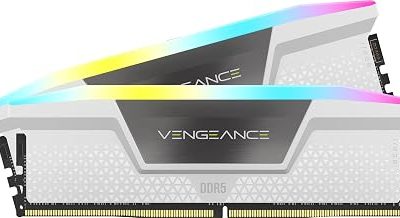
This 2x8GB kit reaches up to 6000MHz and adds tasteful RGB lighting across the heat spreaders. Running true dual channel out of the box, it is the pick for builders who want bandwidth and a bit of show in a glass-panel case.
CORSAIR Vengeance SODIMM DDR5 16GB
For laptops and small-form-factor mini PCs, this 262-pin SODIMM hits up to 5600MHz with CL48 timings and Intel XMP 3.0 support. It is the go-to when you are upgrading a notebook rather than a tower.
Silicon Power DDR5 16GB SODIMM
A budget-friendly 4800MHz laptop module that just works. It will not win benchmarks, but as a low-cost capacity upgrade for a mini PC or thin-and-light, its value is hard to argue with.
Frequently Asked Questions
Is 16GB of DDR5 enough for gaming in 2026?
Yes for the majority of titles at 1080p and 1440p. A few heavily modded games and open-world releases will page to storage, but for mainstream gaming and streaming a fast 16GB kit remains comfortable this year.
Should I buy one 16GB stick or two 8GB sticks?
A 2x8GB kit gives you dual-channel bandwidth now and a small performance edge in games. A single 16GB stick costs a touch more per gig but leaves a slot open for a clean upgrade to 32GB later.
Do I need XMP or EXPO to reach the rated speed?
For anything above the JEDEC baseline, yes. Without enabling the XMP or EXPO profile in BIOS, the kit runs at a conservative default like 4800MHz rather than its advertised speed.
Will desktop DDR5 work in my laptop?
No. Desktops use 288-pin UDIMMs and laptops use 262-pin SODIMMs. They are physically different, so match the form factor to your machine before buying.
Final Thoughts
For most 2026 desktop builds, the Patriot Viper Elite 5 delivers the best blend of speed and latency in a single stick, while the Corsair Vengeance RGB RS kit is the pick if you want dual-channel bandwidth and lighting. Laptop and mini-PC owners should look to the Corsair or Silicon Power SODIMMs. Match the form factor first, then chase the fastest speed your platform can hold, and 16GB of DDR5 will keep your system responsive well beyond this year.