
Key takeaways
- GPU tier matters most: Your graphics card determines roughly 70% of gaming performance. At this budget, target an RTX 5050 or RTX 5060 for current-gen features like DLSS 4; an RTX 4050 or 3050 still plays modern titles at 1080p but with less headroom for the next few years.
- Insist on 16GB of RAM: 8GB is no longer adequate for 2026 releases, which routinely exceed that in system memory alone. If a deal is too good to pass up, confirm the laptop has an accessible second SO-DIMM slot so you can upgrade cheaply later.
- Refresh rate over resolution: A 144Hz or faster 1080p/1200p panel will serve you better than a higher-resolution 60Hz screen. Budget GPUs simply won’t drive 1440p at high settings, so pair them with a fast FHD display and let frame rates climb.
- Check the cooling design: Sustained performance depends on dual-fan layouts, adequate heat pipes, and rear-and-side exhaust. Thin chassis with single fans look sleek but throttle within minutes of a demanding session.
- Storage and upgradability: 512GB fills fast when single titles exceed 100GB. Prefer 1TB Gen 4 SSDs where the budget allows, and favour laptops with a free M.2 slot so you’re not forced into external drives later.
What's inside
Shopping for a gaming laptop under $1,000 in 2026 means navigating a market where specs on the box rarely tell the whole story. Manufacturers cut costs in different places — one machine gives you a fast panel but only 8GB of RAM, another packs a current-gen GPU into a chassis that throttles under sustained load. The result is a lot of laptops that look identical on a spec sheet and feel nothing alike in practice.
This guide cuts through that. We’ve focused on machines that stay realistically within the $1,000 ceiling — including renewed units and frequent sale prices — and evaluated them on the things that actually determine frame rates: GPU class, VRAM, thermal headroom, memory configuration, and display quality. Below you’ll find our shortlist, a practical buying framework, and honest assessments of where each machine compromises.
As an Amazon Associate we earn from qualifying purchases at no extra cost to you. Product prices and availability are accurate as of the date shown and are subject to change.



⚡ Save on Your Next PC — Amazon Prime
Prime members get fast free shipping on the systems above, plus early access to Prime Day & Black Friday PC deals. New members get a 30-day free trial.
Watch: Best Gaming Laptop Under $1000 — Video Review
How to Choose Gaming Laptop Under $1000
- GPU tier matters most: Your graphics card determines roughly 70% of gaming performance. At this budget, target an RTX 5050 or RTX 5060 for current-gen features like DLSS 4; an RTX 4050 or 3050 still plays modern titles at 1080p but with less headroom for the next few years.
- Insist on 16GB of RAM: 8GB is no longer adequate for 2026 releases, which routinely exceed that in system memory alone. If a deal is too good to pass up, confirm the laptop has an accessible second SO-DIMM slot so you can upgrade cheaply later.
- Refresh rate over resolution: A 144Hz or faster 1080p/1200p panel will serve you better than a higher-resolution 60Hz screen. Budget GPUs simply won’t drive 1440p at high settings, so pair them with a fast FHD display and let frame rates climb.
- Check the cooling design: Sustained performance depends on dual-fan layouts, adequate heat pipes, and rear-and-side exhaust. Thin chassis with single fans look sleek but throttle within minutes of a demanding session.
- Storage and upgradability: 512GB fills fast when single titles exceed 100GB. Prefer 1TB Gen 4 SSDs where the budget allows, and favour laptops with a free M.2 slot so you’re not forced into external drives later.
The Best Picks Reviewed
ASUS ROG Strix G16 (2025)
The strongest all-round performer here, pairing an RTX 5060 with a 14-core i7-14650HX, 16GB of DDR5, and a 1TB Gen 4 SSD — a genuinely balanced configuration rather than one headline spec propping up compromises elsewhere. The 165Hz 16:10 panel and ROG’s proven cooling make this the pick if you can catch it near the top of the budget.
Acer Nitro V 16
An excellent value proposition: RTX 5050 graphics, an Intel Core 7 240H, 16GB DDR5, 1TB of Gen 4 storage, and a 16-inch 180Hz WUXGA display for noticeably less than the Strix. Build quality is plastic and unremarkable, but the component mix is close to ideal for the money.
Alienware 16 Aurora
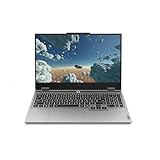
Alienware’s entry-level Aurora brings a genuinely well-engineered chassis and thermal system to a price point that’s historically been all plastic and compromise, running an RTX 5050 alongside the Core 7 240H. You’re paying a small premium for the design and build, but sustained performance and keyboard quality justify it.
Acer Nitro V 15
The 15.6-inch sibling trades screen real estate and storage for a lower entry price while keeping the RTX 5050 with 8GB of GDDR7 — a meaningful VRAM advantage over older 4050-class machines. The i5-13420H is the weak link for CPU-heavy simulation and strategy titles, but it’s more than sufficient for mainstream gaming at 1080p.
ASUS TUF Gaming A16
ASUS’s TUF line prioritises durability and cooling over flash, and the A16 delivers both alongside a Ryzen 7 7445HS, RTX 4050, and a 16-inch 145Hz FHD+ panel. The previous-generation GPU means no DLSS 4 support, so buy this one when it’s discounted — at full price the 5050-equipped alternatives are better value.
Frequently Asked Questions
Can you really game well on a $1,000 laptop in 2026?
Yes — at 1080p or 1200p with high settings, an RTX 5050 or 5060 handles the vast majority of current titles comfortably, especially with DLSS enabled. You’ll need to moderate expectations for ray tracing and 1440p, but the mainstream gaming experience is solid.
Is a renewed gaming laptop worth considering?
Renewed units like the HP Victus 15 can stretch your budget significantly, and Amazon Renewed listings include a return window and guarantee. The trade-off is unknown battery wear and previous thermal-paste condition, so factor in the possibility of a repaste down the line.
Should I prioritise the CPU or the GPU?
The GPU, in almost every case. A Core i5 or Ryzen 5 paired with a stronger graphics card will outperform a Core i7 paired with a weaker one in the vast majority of games — CPU only becomes the bottleneck in simulation, strategy, and heavily modded titles.
How long will one of these laptops stay relevant?
Expect three to four years of comfortable 1080p gaming from an RTX 5050 or 5060 machine, longer if you’re willing to lower settings. Choosing 16GB of RAM and a 1TB SSD up front, or at least ensuring both are upgradable, extends that window considerably.
Final Thoughts
If you want the most capable machine your budget allows, the ASUS ROG Strix G16 is the clear choice — the RTX 5060, 16GB of DDR5, and 1TB of Gen 4 storage make it the only pick here that feels genuinely future-proofed. For the best balance of price and performance, the Acer Nitro V 16 delivers nearly the same component set for meaningfully less money, while the Alienware 16 Aurora is worth the small premium if build quality and sustained thermals matter more to you than raw specifications.





