Our Top Picks
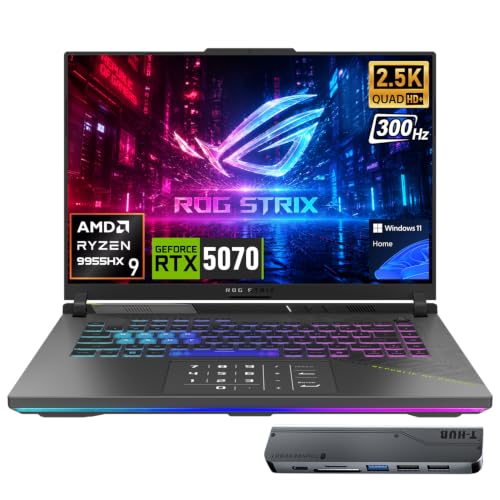 ASUS ROG Strix G16 5070 300Hz Gaming Laptop32GB RAM | 1TB SSD13.94 x 10.39 x 1.2 Inches5.51 PoundsCheck on Amazon
The best gaming laptop company is the one whose warranty, cooling and upgrade policy match how you play, not simply the biggest name on the lid. Brand pages usually promise the same thing, so this guide compares makers on four practical points and then shows nine real listings. A candid note up front: every listing in our set is an ASUS ROG model, with one reseller-customized version, so the picks below illustrate one maker's range from entry GPU to flagship rather than a nine-brand shootout. For other makers, use the scorecard further down.
Nine listings at a glance

ASUS ROG Strix G16 (2025) Gaming Laptop, 16” FHD+ 16:10 165Hz/3ms, NVIDIA® GeForce RTX™ 5060, Intel® Core™ i7 Processor 14650HX, 16GB DDR5, 1TB Gen 4 SSD, Wi-Fi 7, Windows 11 Home, G615JMR-AS74
One of the money options compared in this guide.
View on Amazon
ASUS ROG Strix G16 (2026) Gaming Laptop, 16” ROG Nebula HDR 2.5K 240Hz/3ms, Intel Core Ultra 9 290HX Plus, NVIDIA GeForce RTX 5080, 32GB DDR5, 1TB PCIe Gen4 SSD, Wi-Fi 7, Win11 Home, G615LW-AB96
One of the money options compared in this guide.
View on Amazon
ASUS ROG Strix G16 (2025) Gaming Laptop, 16” 16:10 FHD+ 165Hz/3ms, NVIDIA® GeForce RTX™ 5070, AMD Ryzen™ 9 9955HX Processor, 16GB DDR5-5600, 1TB PCIe Gen 4 SSD, Wi-Fi 6E, Windows 11 Home, G614FP-OS94
One of the money options compared in this guide.
View on Amazon
ASUS ROG Strix SCAR 18 (2025) Gaming Laptop, 18” ROG Nebula HDR 16:10 2.5K 240Hz/3ms, NVIDIA GeForce RTX 5090, Intel Core Ultra 9 275HX, 32GB DDR5, 2TB PCIe Gen 4 SSD, Wi-Fi 7, Win 11 Pro, G835LX-XS97
One of the money options compared in this guide.
View on Amazon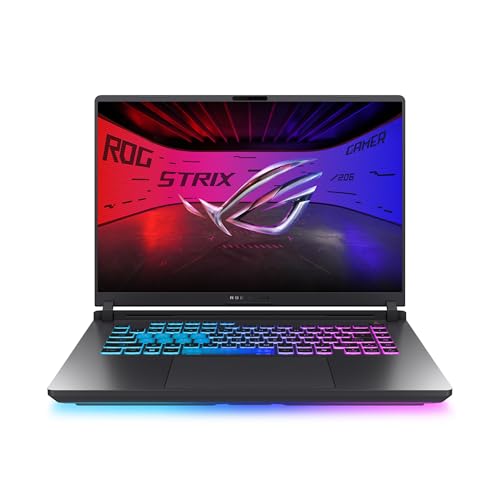
ASUS ROG Strix G16 Gaming Laptop, 16” 16:10 FHD+ 165Hz/3ms, NVIDIA GeForce RTX 5050 Laptop GPU, Intel Core i5 Processor 14450HX, 16GB DDR5-5600, 512GB PCIe Gen 4 SSD, Wi-Fi 7, Win11 Home, G615JHR-DS53
One of the money options compared in this guide.
View on Amazon
ASUS ROG Strix G18 (2025) Gaming Laptop, 18” FHD+ 16:10 144Hz/3ms Display NVIDIA® GeForce RTX™ 5070, Intel® Core™ i9 Processor 14900HX, 32B DDR5-5600, 1TB PCIe Gen 4 SSD, Wi-Fi 7
One of the money options compared in this guide.
View on Amazon
ASUS ROG Strix G18 Gaming Laptop,AMD Ryzen 9 9955HX,NVIDIA GeForce RTX 5070 | 18" ROG Nebula Display 16:10 2.5K 240Hz/3ms, Wi-Fi 6E, 4-Zone RGB Backlit, CyberGeek Customized 16GB-64GB DDR5, 512GB-2TB SSD
One of the money options compared in this guide.
View on AmazonASUS ROG Strix G16 5070 300Hz Gaming Laptop, AMD Ryzen 9 9955HX, GeForce RTX 5070, 16" QHD+ 2.5K 300Hz IPS, 32GB DDR5, 1TB SSD, 4-Zone RGB Backlit KB, HDMI, Copilot, Windows 11 Home, w/Bundle
One of the money options compared in this guide.
View on Amazon
ASUS ROG Flow Z13 2.5K 180Hz 3ms ROG Nebula Touchscreen 13.4" Convertible 2-in-1 Gaming Notebook AMD Ryzen AI MAX+ 395 32GB RAM 1TB SSD Off Black
One of the money options compared in this guide.
View on Amazon| Model | Key point from the title | Price tier | Best for |
|---|---|---|---|
| ROG Strix G16, RTX 5050 / Core i5 | 512GB SSD, 165Hz 16:10 FHD+, 16GB DDR5 | Budget | Entry-level 1080p play |
| ROG Strix G16, RTX 5060 / Core i7 | 1TB SSD, 165Hz, Wi-Fi 7, 16GB DDR5 | Mid-range | Balanced mainstream gaming |
| ROG Strix G16, RTX 5070 / Ryzen 9 9955HX | 1TB SSD, 165Hz, Wi-Fi 6E, DDR5-5600 | Mid-range | Stronger GPU in a 16-inch frame |
| ROG Strix G16, RTX 5070 / 300Hz bundle | QHD+ 2.5K 300Hz, 32GB DDR5, bundle listed | Premium | High-refresh esports |
| ROG Strix G18, RTX 5070 / Core i9 | 18-inch 144Hz FHD+, 32GB listed (typo in title) | Premium | Large-screen desktop replacement |
| ROG Strix G18 by CyberGeek, RTX 5070 | Customized RAM and SSD options, 240Hz | Mid-range | Buyers who want a configurable build |
| ROG Strix G16, RTX 5080 / Core Ultra 9 | 2.5K 240Hz, 32GB DDR5, 1TB SSD | Premium | Top-tier 16-inch performance |
| ROG Strix SCAR 18, RTX 5090 | 18-inch 2.5K 240Hz, 32GB, 2TB SSD | Premium | Flagship power at any cost |
| ROG Flow Z13 2-in-1 | 13.4-inch touchscreen, Ryzen AI MAX+ 395, 32GB | Premium | Portable tablet-style play |
The nine listings
ASUS ROG Strix G16 with RTX 5050 and Core i5
The entry listing: a 16-inch 16:10 165Hz screen, an RTX 5050 laptop GPU, a Core i5 14450HX, 16GB DDR5 and a 512GB SSD. It is the cheapest way into this family, and the listing says nothing about the GPU wattage, and the 512GB drive is the compromise you will feel first, since a few modern games take a hundred gigabytes each.
Pros
- Lowest entry in the set
- 165Hz 16:10 display
Cons
- 512GB fills quickly
- Lowest-tier GPU of the nine
Who it’s for: New players who want ROG styling and a straightforward 1080p-class machine.
ASUS ROG Strix G16 with RTX 5060 and Core i7
Step up to an RTX 5060, a Core i7 14650HX, 16GB DDR5 and a full 1TB Gen 4 SSD with Wi-Fi 7. The 1TB drive makes it feel less cramped than the 5050 model, and Wi-Fi 7 is only useful if your router supports it. Check the listing for the exact GPU power limit, because that decides how close it gets to its potential.
Pros
- 1TB SSD included
- Wi-Fi 7 listed
Cons
- 16GB RAM may limit heavy multitasking
- Wi-Fi 7 benefit depends on your router
Who it’s for: Most players who want a middle path between price and performance.
ASUS ROG Strix G16 with RTX 5070 and Ryzen 9 9955HX
An AMD-based option: Ryzen 9 9955HX, RTX 5070, 16GB DDR5-5600, a 1TB PCIe Gen 4 SSD and Wi-Fi 6E. It is the first model here where the processor is clearly more capable than the display, so the extra GPU power helps when you plan to use an external monitor.
Pros
- High-end AMD processor
- DDR5-5600 listed
Cons
- 16GB RAM for a chip this strong
- Wi-Fi 6E rather than Wi-Fi 7
Who it’s for: Players pairing the laptop with an external monitor.
ASUS ROG Strix G16 5070 with 300Hz QHD+ and bundle
Here the title leads with 300Hz, QHD+ 2.5K IPS, Ryzen 9 9955HX, RTX 5070 and 32GB DDR5. The title ends with "w/Bundle" but does not say what the bundle holds, so check the listing for contents before counting it as value. A 300Hz screen also needs frame rates to match, otherwise the refresh rate is wasted.
Pros
- 300Hz screen
- 32GB DDR5 listed
Cons
- Bundle contents unspecified
- Only a 1TB SSD at this tier
Who it’s for: Competitive players who care about refresh rate over raw resolution.
ASUS ROG Strix G18 with RTX 5070 and Core i9
An 18-inch 16:10 144Hz screen with a Core i9 14900HX and RTX 5070. The title says "32B DDR5-5600", which is almost certainly 32GB with a typo, but confirm the memory in the listing. The large chassis usually helps cooling and the keyboard, though it costs portability. Check the charger rating and the desk space you have, since the footprint is large.
Pros
- 18-inch panel
- Core i9 processor
Cons
- Title typo on memory
- Bulky to carry
Who it’s for: Desk-bound players who want a big screen and strong cooling headroom.
ASUS ROG Strix G18 sold by CyberGeek
This is a reseller listing: "CyberGeek Customized" with 16GB to 64GB of DDR5 and 512GB to 2TB of storage, plus a Ryzen 9 9955HX, an RTX 5070 and a 240Hz 2.5K display. Because the title shows ranges, you must pick the exact configuration yourself, and warranty support may follow the reseller rather than the maker.
Pros
- Configurable memory and storage
- 240Hz 2.5K display
Cons
- Reseller warranty path may differ
- Configuration ranges invite mistakes
Who it’s for: Buyers who want to choose RAM and SSD size at checkout.
ASUS ROG Strix G16 with RTX 5080 and Core Ultra 9
A high-end 16-inch with an RTX 5080, a Core Ultra 9 290HX Plus, a 2.5K 240Hz HDR panel, 32GB DDR5 and a 1TB Gen 4 SSD. It is the clearest step toward high-resolution play. With this class of hardware, battery life while gaming is typically short, so plan to stay plugged in.
Pros
- High-end GPU
- 32GB DDR5 and HDR panel
Cons
- Premium price tier
- Gaming runs mostly on mains power
Who it’s for: Players who want strong 1440p-class results without going to an 18-inch.
ASUS ROG Strix SCAR 18 with RTX 5090
The flagship, with a price tier far above the rest: an 18-inch 2.5K 240Hz panel, a Core Ultra 9 275HX, RTX 5090, 32GB DDR5, a 2TB SSD and Windows 11 Pro. It is the top of this set and a big, heavy machine. It makes sense only if you will use that GPU for creative or demanding work.
Pros
- Top GPU in the set
- 2TB SSD
Cons
- Highest price tier
- Large and heavy
Who it’s for: Enthusiasts and creators who put raw power ahead of cost.
ASUS ROG Flow Z13 2-in-1
A 13.4-inch touchscreen convertible with a Ryzen AI MAX+ 395, 32GB RAM and a 1TB SSD. The title names no dedicated GeForce GPU, so it is a different class from the Strix models and belongs here as a portability pick. Check the listing for graphics details.
Pros
- Compact and portable
- Touchscreen 2-in-1
Cons
- No discrete GPU named in the title
- Small screen
Who it’s for: Travelers who want a lighter machine that still plays games.
How we picked these
We built the set from published specifications, manufacturer documentation and buyer reviews. Nobody on the team used or measured these units. Nothing here is a performance result. Because all listings came from one maker, we did not rank brands against each other with figures; the maker comparison is general guidance you should confirm against current warranty pages and spec sheets.
How to judge a gaming laptop company
Cooling and chassis
Makers differ in how much heat they can move, and thicker chassis models usually run quieter at the same GPU wattage. Compare the GPU wattage a listing states, not just the GPU name, because the same chip can behave differently in different bodies. Also look at the vent layout and whether the listing mentions a vapor chamber or liquid-metal compound; if it does not, assume nothing and read the manufacturer page. Fan noise is subjective, and buyer comments are the best public hint about it.
Display and refresh rate
A 165Hz panel is plenty for most single-player games, while 240Hz and 300Hz screens only pay off when the GPU can push frame rates that high. Resolution matters too: a 2.5K panel asks more of the GPU than a 1080p-class one, so a mid-tier card may feel better on the lower resolution. Check the listing for brightness and color coverage, because titles often leave those out.
Power and portability
Higher-tier GPUs draw more power and ship with larger chargers. If you plan to carry the laptop daily, weigh the bag, the charger and the fan noise as well as the spec sheet. Gaming on battery usually lowers performance, so the plug matters more than the cell size.
Warranty and support
Read the warranty term, who handles repairs, and whether shipping both ways is covered. Reseller listings may follow the seller's policy, not the maker's. Registering a laptop with the maker soon after delivery is a small step that helps if a claim comes up later, and a long warranty is worth more on a premium model, where a motherboard or GPU repair can cost a lot.
Upgrade options
Check for accessible RAM slots and extra M.2 drive bays on the exact model. Soldered memory cannot be changed later, so a 16GB listing may need replacing instead of upgrading. Our DDR5 laptop RAM guide covers compatible kits, and the 32GB RAM configurations page lists models that ship with the memory already installed.
A maker scorecard you can reuse
- Warranty length and what voids it
- Spare-part and battery availability
- Control-software clutter and update cadence
- Panel options for the model, including refresh rate
- Whether the GPU wattage is stated
- Return policy at the seller you are buying from
Score each maker from 1 to 5 on those lines for the specific model, add up the totals, and let that decide ties. If you only care about frames per second at a fixed screen, the 240Hz article on 240Hz gaming laptops for FPS games goes deeper on refresh rates.
Mistakes buyers make
- Choosing by logo alone. Models inside one brand vary more than brands vary against each other.
- Ignoring reseller listings. A listed brand name does not guarantee maker-direct warranty.
- Skipping RAM and SSD checks. A 16GB, 512GB model can feel cramped within a year.
- Trusting title typos. The "32B" entry is a reminder to verify before buying.
- Paying for GPU power you cannot use. A weak screen wastes a strong GPU, and an external GPU is a different route if you want to upgrade later.
Verdict
For most players the RTX 5060 Strix G16 is the sensible middle of this ASUS-only set, the RTX 5050 model is the entry option, and the RTX 5090 SCAR 18 is a statement purchase. Judge other companies with the scorecard and the warranty checks above, because a good maker is defined by support and fit to your needs.
Frequently asked questions
Which gaming laptop company is best overall?
There is no single winner. Makers such as ASUS, MSI, Lenovo, Acer, HP, Dell and Razer all sell strong models, and the best fit depends on warranty terms, cooling and your budget. Compare the exact model, not the logo.
Is ASUS ROG a good choice?
ROG is a long-running gaming line with a wide range, as shown by the entry-to-flagship listings here. Strength varies by model, so check the GPU, RAM, storage and warranty path of each specific laptop.
Does a reseller listing change my warranty?
It can. Reseller-customized listings may be supported by the seller instead of the maker. Read the listing and the seller policy before ordering, and keep your receipt. If the seller cannot show the warranty path in writing, treat that as a warning.
Are 18-inch laptops better than 16-inch ones?
They offer a bigger screen and often roomier cooling, but they are heavier and harder to carry. Choose 18 inches if the laptop stays on a desk and 16 inches if you travel.
Should I worry about typos in listing titles?
Yes. A typo such as 32B instead of 32GB can hide the real configuration. Check the specification table in the listing and ask the seller if anything is unclear.