Key takeaways
- Prioritize cache over core count: Games respond far better to large L3 cache than to extra cores. AMD’s 3D V-Cache chips consistently outperform processors with double the cores in gaming workloads, which is why an 8-core X3D part beats a 16-core non-X3D chip in most titles.
- Factor in the total platform cost: A $200 CPU on a platform requiring a $180 motherboard and new DDR5 memory can cost more overall than a $280 chip that drops into your existing board. Always price the full upgrade, not just the processor.
- Match the CPU to your GPU and resolution: At 4K, most modern CPUs perform within a few percent of each other because the GPU is the limiting factor. At 1080p or 1440p with a high-refresh monitor, the CPU matters enormously — that’s where spending up pays off.
- Check cooler requirements before you buy: Some budget chips ship with an adequate stock cooler, while higher-TDP parts need a decent tower cooler or AIO. An unexpected $40 cooler purchase can push a “budget” build over your cap.
- Consider the upgrade runway: AM5 remains supported with future processor releases, so a mid-range AM5 chip today can be swapped for a flagship later without changing motherboards. AM4 is mature and cheap, but it’s the end of the road.
What's inside
Picking a gaming CPU under $300 in 2026 is harder than it looks. The sub-$300 bracket is where AMD’s older X3D chips have finally landed after price cuts, where current-gen mid-range parts fight for attention, and where genuinely cheap six-core processors still deliver playable frame rates. The trap most buyers fall into is overspending on core count they’ll never use in games, or underspending on a chip that bottlenecks a GPU costing three times as much.
This guide cuts through that. Below you’ll find the processors that actually deliver the highest frames-per-dollar for gaming at this budget, along with clear guidance on platform costs, cooling requirements, and upgrade paths. We’ve prioritized real-world gaming performance over synthetic benchmarks, and we’ve flagged which chips make sense on a fresh build versus a drop-in upgrade to an existing motherboard.
As an Amazon Associate we earn from qualifying purchases at no extra cost to you. Product prices and availability are accurate as of the date shown and are subject to change.





⚡ Save on Your Next PC — Amazon Prime
Prime members get fast free shipping on the systems above, plus early access to Prime Day & Black Friday PC deals. New members get a 30-day free trial.
Watch: Best CPU for Gaming Under $300 — Video Review
How to Choose CPU for Gaming Under $300
- Prioritize cache over core count: Games respond far better to large L3 cache than to extra cores. AMD’s 3D V-Cache chips consistently outperform processors with double the cores in gaming workloads, which is why an 8-core X3D part beats a 16-core non-X3D chip in most titles.
- Factor in the total platform cost: A $200 CPU on a platform requiring a $180 motherboard and new DDR5 memory can cost more overall than a $280 chip that drops into your existing board. Always price the full upgrade, not just the processor.
- Match the CPU to your GPU and resolution: At 4K, most modern CPUs perform within a few percent of each other because the GPU is the limiting factor. At 1080p or 1440p with a high-refresh monitor, the CPU matters enormously — that’s where spending up pays off.
- Check cooler requirements before you buy: Some budget chips ship with an adequate stock cooler, while higher-TDP parts need a decent tower cooler or AIO. An unexpected $40 cooler purchase can push a “budget” build over your cap.
- Consider the upgrade runway: AM5 remains supported with future processor releases, so a mid-range AM5 chip today can be swapped for a flagship later without changing motherboards. AM4 is mature and cheap, but it’s the end of the road.
The Best Picks Reviewed
AMD Ryzen 7 9800X3D
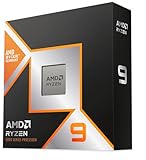
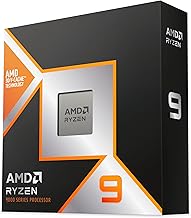
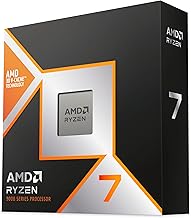
This remains the definitive gaming processor of the generation, combining second-gen 3D V-Cache with a fully unlocked design that finally lets X3D chips overclock properly. It sits right at the top of this budget bracket following recent price adjustments, and if you’re building around a high-end GPU with a 1440p high-refresh monitor, nothing else at this price gets close.
AMD Ryzen 7 7800X3D
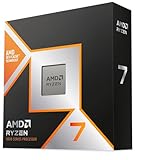
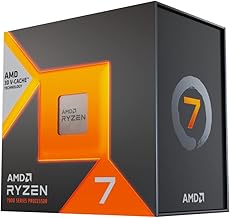
The chip that made X3D a household name among PC gamers, and still a phenomenal buy now that it’s settled comfortably under $300. It gives up a modest single-digit percentage to the 9800X3D in most titles while running cooler and sipping power, making it the smartest AM5 gaming purchase for anyone who doesn’t need absolute peak frame rates.
AMD Ryzen 7 5800X3D
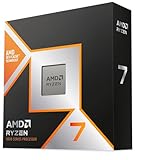
The best drop-in upgrade in PC gaming history, full stop — if you’re on an AM4 board with a Ryzen 2000 or 3000 series chip, this transforms your system for a fraction of a full platform rebuild. It still trades blows with far newer processors in cache-sensitive games like simulators and strategy titles, and requires no new motherboard or memory.
AMD Ryzen 5 9600X
A tidy six-core, twelve-thread part that lands well under the cap and leaves budget for a better GPU, which is often the smarter allocation. It’s efficient, runs cool on a modest tower cooler, and sits on AM5 so you can drop in a future X3D chip when prices fall further.
AMD Ryzen 5 5500
The genuine budget option here, aimed squarely at first-time builders pairing a mid-range GPU with a 1080p monitor. Performance is unremarkable next to anything X3D, but it includes a usable Wraith Stealth cooler in the box and costs a fraction of everything else on this list.
Frequently Asked Questions
Do I really need an X3D processor for gaming?
Not always. If you game at 4K or pair your CPU with a mid-range GPU, a standard chip like the 9600X will perform nearly identically for less money. X3D pays off at 1080p and 1440p with high-refresh displays and a powerful graphics card.
Is AM4 still worth buying in 2026?
Only as an upgrade to an existing AM4 system. Buying a new AM4 motherboard and DDR4 memory today is a dead end with no future upgrade path, but dropping a 5800X3D into a board you already own remains outstanding value.
How many cores do I need for gaming?
Six cores with twelve threads is the practical minimum for a smooth modern gaming experience, and eight cores is the comfortable sweet spot. Beyond that, extra cores benefit streaming, rendering, and heavy multitasking rather than frame rates.
Will a cheaper CPU bottleneck my graphics card?
It depends entirely on resolution. A budget six-core chip will meaningfully limit a high-end GPU at 1080p, but the gap narrows sharply at 1440p and mostly disappears at 4K, where the GPU does the heavy lifting.
Final Thoughts
For most gamers building fresh in 2026, the Ryzen 7 7800X3D is the value sweet spot — near-flagship gaming performance on a platform with a long upgrade runway. If you can stretch to the top of the budget and want the best gaming chip money can buy at this price, the Ryzen 7 9800X3D is the clear winner. And if you’re sitting on an aging AM4 build, the Ryzen 7 5800X3D remains the single most cost-effective upgrade available, no new motherboard required.