Key takeaways
- Recline and lock. A backrest that reclines and locks at multiple angles lets you shift posture through the day and lean back to rest, a feature standard on chairs like the GTPLAYER Gaming Chair.
- Armrests. Adjustable armrests keep your shoulders relaxed and your wrists aligned with the keyboard, reducing strain during long typing and mouse work.
- Lumbar and headrest position. Movable or removable cushions let you tune support to your exact spine shape rather than accepting a fixed curve.
- Footrest. A retractable footrest, found on models such as the WOTSTA and N-GEN chairs, turns the seat into a recliner for breaks between matches.
You spend more hours in your chair than on any single component of your setup, yet it is the part gamers most often cheap out on. A poor chair does more than feel uncomfortable; it quietly wrecks your posture, aches your lower back after long sessions, and leaves you fidgeting instead of focused. In 2026 the market is flooded with racing-style seats that all look similar, which makes it genuinely hard to tell a supportive chair from a flashy one that falls apart in six months.
This guide shows you what actually matters when buying a gaming chair: how to read ergonomics beyond the marketing, which adjustments truly help your back, how to match a chair to your body size, and how to judge build quality before you buy. By the end you will know how to pick a seat that keeps you comfortable and healthy through every marathon session.
Our top picks


As an Amazon Associate we earn from qualifying purchases at no extra cost to you. Ratings are shown as listed on Amazon.
⚡ Save on Your Next PC — Amazon Prime
Prime members get fast free shipping on the systems above, plus early access to Prime Day & Black Friday PC deals. New members get a 30-day free trial.
Watch: Gaming Chair Buying Guide — Video Review
Ergonomics: The Support That Actually Matters
Marketing loves the word ergonomic, but real support comes from specific features working together. Lumbar support that fills the natural curve of your lower back is the most important; chairs like the WOTSTA Gaming Chair and the Gaming Chair for Adults with 7-Point Support build this in. A headrest lets your neck relax during breaks, and a seat shaped to distribute weight evenly prevents pressure points. When you scan a chair’s description, look past the styling and confirm it addresses your lower back, neck, and thighs, because those three zones decide whether you feel fresh or sore after four hours.
Adjustability: More Than Just Height
- Recline and lock. A backrest that reclines and locks at multiple angles lets you shift posture through the day and lean back to rest, a feature standard on chairs like the GTPLAYER Gaming Chair.
- Armrests. Adjustable armrests keep your shoulders relaxed and your wrists aligned with the keyboard, reducing strain during long typing and mouse work.
- Lumbar and headrest position. Movable or removable cushions let you tune support to your exact spine shape rather than accepting a fixed curve.
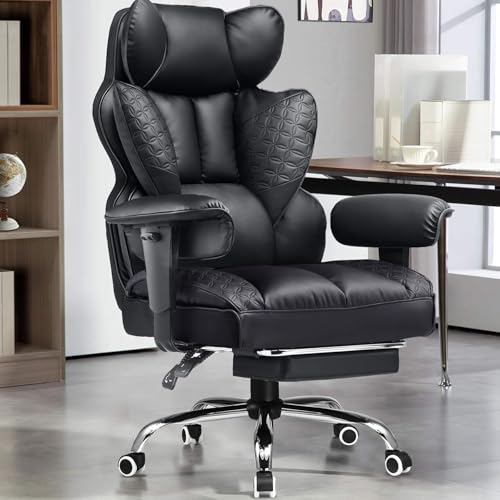
- Footrest. A retractable footrest, found on models such as the WOTSTA and N-GEN chairs, turns the seat into a recliner for breaks between matches.
Sizing the Chair to Your Body
A chair only supports you well if it fits you. Every seat lists a weight capacity and works best within a height range, and choosing correctly prevents both discomfort and premature wear. Standard chairs like the GTPLAYER with 360-swivel seat suit most adults up to around 330 pounds, while taller or heavier users should look at reinforced models such as the GTPLAYER Big and Tall Gaming Chair rated to 400 pounds. Check the seat width and backrest height against your frame; a chair too small pinches, and one too large leaves you unsupported where it counts.
Materials and Build Quality
The cover material shapes both comfort and longevity. PU leather, used on chairs like the Kslysuty High Back model, wipes clean easily and looks sleek but can run warm in hot rooms. Fabric breathes better and stays cooler over long sessions but shows stains more readily. Beneath the surface, the frame and cushioning matter most: a steel frame and dense foam or pocket-spring cushion, as in the GTPLAYER Big and Tall, resist sagging far longer than thin padding over a plastic base. A gas lift certified to a proper safety class is worth confirming since it carries your full weight every day.
Matching the Chair to Your Space and Style
Practical fit goes beyond the body. Consider the room: a light finish like the Pearl White GTPLAYER or a White Leather Kslysuty suits a bright setup, while a Deep Black or All Black chair like the N-GEN hides marks and blends into a darker battlestation. Check that the chair’s base and wheels suit your floor, and measure the footprint against your desk area so the armrests tuck under and the recline has clearance. A chair that looks great but crowds your space or scuffs your floor undercuts its own value.
Tips
- Prioritize adjustable lumbar support and armrests over flashy styling; your lower back and shoulders will thank you after long sessions.
- Always check the weight capacity and seat dimensions against your body, and size up to a big-and-tall model if you are near the limit.
- Favor a steel frame with dense or pocket-spring cushioning for a chair that resists sagging over years of daily use.
- Choose the cover material for your climate: fabric for hot rooms and breathability, PU leather for easy cleaning and a sleek look.
Frequently Asked Questions
Do gaming chairs actually help your posture?
A well-designed one can, if it offers proper lumbar support and adjustable armrests and you set it up correctly. The chair encourages a neutral spine, but you still need to sit back into the support and take regular breaks to see the benefit.
Is a footrest worth having?
For many gamers, yes. A retractable footrest, as on the WOTSTA and N-GEN chairs, lets you recline and elevate your legs during breaks, improving circulation and comfort on long days without needing a separate ottoman.
What weight capacity should I look for?
Match it to your body with margin to spare. Standard chairs handle around 300-330 pounds, while big-and-tall models like the GTPLAYER 400-pound version give heavier or taller users the reinforced frame and wider seat they need for lasting support.
Is PU leather or fabric better for a gaming chair?
Both work well; it comes down to your environment. PU leather wipes clean and looks premium but can feel warm, while fabric breathes better and stays cooler during long sessions but requires more care to keep clean.
Conclusion
A gaming chair is a long-term investment in your comfort and health, so buy it like one. Focus first on real ergonomic support for your lower back, neck, and arms, insist on the adjustments that let you tune the fit, and match the chair’s size and weight rating to your body. Then weigh materials and build quality for durability, and pick a finish that suits your space. Get those priorities in order and your chair will keep you comfortable, focused, and pain-free through thousands of hours of play.