Key takeaways
- Strong 1080p performance that handles esports and most modern games well.
- Affordable entry into the current GPU generation and DLSS features.
- Efficient and cool, keeping laptop thermals and desktop noise manageable.
- Good high-refresh pairing with the 165Hz panels on these laptops.
What's inside
The RTX 5050 sits at the entry point of NVIDIA’s latest generation, and that positioning breeds a lot of skepticism. Is the most affordable 50-series GPU actually good for gaming, or is it a compromise you will regret? The honest answer depends heavily on your resolution, your expectations, and whether it lives in a desktop or a laptop.
This review digs into real RTX 5050 machines, from Skytech desktops to Acer Nitro and ASUS TUF laptops, to answer the question with specifics rather than hype. Here is where the 5050 genuinely delivers and where its limits show.
As an Amazon Associate we earn from qualifying purchases at no extra cost to you. Product prices and availability are accurate as of the date shown and are subject to change.



🎮 Get More From Your Setup — Free
Prime Gaming gives you free PC games every month, in-game loot, and a free Twitch channel sub — plus fast free shipping on all the gear above. New members get a 30-day free trial.
Watch: Is A 5050 Good For Gaming: Review & Buyer’s Guide — Video Review
Design & Build
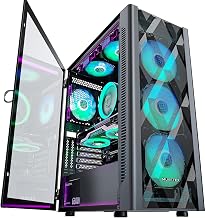
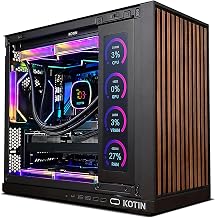
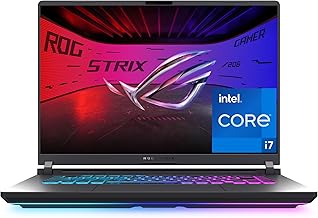
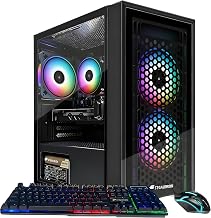
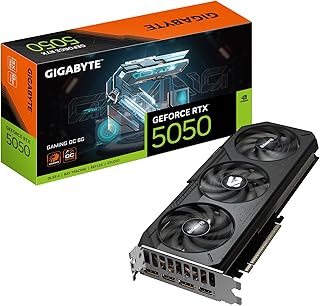
RTX 5050 systems span budget desktops and midrange laptops. Desktop builds like the Skytech Gaming Edge and Storm pair the card with Ryzen 5 chips in clean, ARGB-lit towers with 650W Gold PSUs, leaving room for future upgrades. On the mobile side, the Acer Nitro V and ASUS TUF Gaming F16 wrap the 5050 in sturdy chassis with 165Hz displays, prioritizing durability and cooling over slimness. The 8GB of GDDR7 (or GDDR6 on some ZOTAC builds) is the defining spec, adequate for the resolution this card targets.
Performance
At 1080p, the RTX 5050 is genuinely capable, driving popular esports titles at high frame rates and handling most modern games at high settings with comfortable playability. The 165Hz panels on the Nitro V and TUF F16 pair well with the card’s strengths in competitive shooters. Where it strains is 1440p with maxed settings and heavy ray tracing, where the 8GB frame buffer and modest core count ask you to dial back. DLSS upscaling helps considerably, extending the card’s reach in supported titles. For 1080p gamers on a budget, it hits the mark; for 1440p enthusiasts, it is the floor rather than the sweet spot.
Pros & Cons
- Strong 1080p performance that handles esports and most modern games well.
- Affordable entry into the current GPU generation and DLSS features.
- Efficient and cool, keeping laptop thermals and desktop noise manageable.
- Good high-refresh pairing with the 165Hz panels on these laptops.
- 8GB VRAM can constrain texture-heavy titles at higher resolutions.
- Limited 1440p headroom once ray tracing and ultra settings pile on.
- Entry-tier ceiling means less future-proofing than a 5060 or above.
Alternatives to Consider
If your budget stretches a little, an RTX 5060 offers a meaningful step up in VRAM and headroom for 1440p, as seen in Skytech’s higher builds. But if you game primarily at 1080p and want the lowest cost of entry into the 50-series, the 5050 in a Skytech Edge desktop or ASUS TUF F16 laptop is a sensible, playable choice.
Frequently Asked Questions
Is the RTX 5050 good for 1080p gaming?
Yes. At 1080p it handles esports titles at high frame rates and most modern games on high settings comfortably.
Can it handle 1440p?
It can, but you will need to lower settings or lean on DLSS in demanding titles; 1440p is the ceiling, not its comfort zone.
Is 8GB of VRAM enough?
For 1080p, generally yes. Some texture-heavy games at higher resolutions may push against that limit.
Desktop or laptop for a 5050?
Desktops like the Skytech builds offer upgrade room and value; laptops like the TUF F16 add portability with capable 165Hz screens.
Verdict
The RTX 5050 is a solid budget gaming choice for 1080p players, delivering smooth performance and modern features without a steep price. Choose a Skytech Edge desktop for upgrade potential or the ASUS TUF F16 laptop for portability, and set expectations at 1080p rather than 1440p ultra.