Key takeaways
- Bright, high-quality displays drawing on Samsung’s panel expertise.
- Long battery life suited to a full day of work or class.
- Slim, light builds with backlit keyboards and fingerprint security.
- Galaxy ecosystem integration for phone and tablet handoff.
What's inside
Samsung is better known for phones and displays, but its Galaxy Book laptop line has quietly become a strong choice for students and professionals who want a bright screen, long battery life, and clean Windows performance. If you already live in Samsung’s ecosystem—Galaxy phone, tablet, buds—the seamless handoff features make these laptops even more compelling.
We spent time with Samsung’s current Galaxy Book and Chromebook offerings to see how they hold up for everyday work, study, and light creative use. Here’s an honest review of what these machines do well and where they compromise.
As an Amazon Associate we earn from qualifying purchases at no extra cost to you. Product prices and availability are accurate as of the date shown and are subject to change.


🎮 Get More From Your Setup — Free
Prime Gaming gives you free PC games every month, in-game loot, and a free Twitch channel sub — plus fast free shipping on all the gear above. New members get a 30-day free trial.
Watch: Samsung Computer Laptop Reviews — Video Review
Design & Build
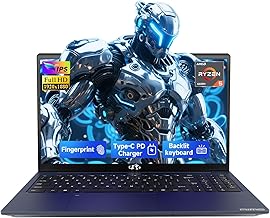
Samsung’s Galaxy Book laptops lean into thin, light, professional design. The Galaxy Book4 family—spanning business and student configurations—keeps a clean 15.6-inch FHD form factor with a backlit keyboard, fingerprint reader, and a comfortably slim profile that travels easily. Build quality is solid, with a restrained aesthetic that fits office and classroom alike. The Galaxy Chromebook Go takes a more budget, durability-focused approach with a spill-resistant 14-inch body aimed at students. Across the range, Samsung’s display expertise shows: the panels are bright and pleasant for long work sessions.
Performance
The Galaxy Book4 configurations center on Intel’s efficient Core 7 150U, a 10-core chip that comfortably handles browsing, office suites, video calls, and light multitasking—Samsung positions it as competitive with older Core i7 parts. Paired with 16GB of RAM and a fast 512GB or 1TB SSD, these machines feel snappy for productivity and everyday use, and battery life stretches through a full workday. Copilot AI integration and features like a fingerprint reader and backlit keyboard round out the practical toolkit. The Galaxy Chromebook Go, with a Celeron N4500 and 4GB of RAM, is strictly for light web-based tasks and long battery life rather than demanding work.
Pros & Cons
- Bright, high-quality displays drawing on Samsung’s panel expertise.
- Long battery life suited to a full day of work or class.
- Slim, light builds with backlit keyboards and fingerprint security.
- Galaxy ecosystem integration for phone and tablet handoff.
- Not for gaming—integrated graphics limit these to light tasks.
- Chromebook Go is basic, with just 4GB of RAM for web-only use.
- Port selection is modest on the thinner models.
Alternatives to Consider
If you need real gaming or GPU-accelerated performance, these Galaxy Books aren’t the answer—look to a dedicated RTX gaming laptop instead. For students on a tight budget who only need web apps and long battery life, the Galaxy Chromebook Go is a sensible pick. But for most professionals and students wanting a capable, portable Windows machine, the Galaxy Book4 with 16GB of RAM and a 512GB or larger SSD is the configuration to target.
Frequently Asked Questions
Are Samsung Galaxy Book laptops good for students?
Yes—they offer bright screens, long battery life, and enough power for writing, research, and video calls in a light, portable body. The fingerprint reader and backlit keyboard are welcome extras.
Can I game on a Galaxy Book?
Only lightly. With integrated graphics, they handle older or casual titles and cloud gaming, but not demanding modern games. For serious gaming, choose a laptop with a dedicated GPU.
How’s the battery life?
Very good—the efficient Core 7 150U and Samsung’s tuning deliver all-day endurance for typical productivity use, easily covering a workday or class schedule.
Is the Core 7 150U fast enough?
For everyday work—browsing, office apps, video calls, light multitasking—absolutely. It’s an efficient 10-core chip that keeps Windows responsive without draining the battery.
Verdict
Samsung’s Galaxy Book4 is a genuinely strong everyday laptop: bright display, all-day battery, and clean performance for students and professionals, made better if you own other Galaxy devices. Pick a 16GB configuration with a 512GB or 1TB SSD for the best experience, or the budget Galaxy Chromebook Go if you only need web apps and long battery life. Just don’t expect gaming muscle—that’s not what these machines are built for.