Key takeaways
- GPU is the priority: At this budget, the graphics card determines roughly 70% of your gaming performance. An RTX 5070 or 5070 Ti is the realistic sweet spot for 1440p high settings; anything with 4GB–8GB of VRAM on an older architecture (like an RX 580 or RX 6500 XT) should be treated as a 1080p entry-level machine, not a $1,500 purchase.
- Match the CPU to the card: A Ryzen 7 9700X or Core Ultra 7 265F will comfortably feed a 5070-class GPU. Older six-core chips like the Ryzen 5 5500 will bottleneck modern cards in CPU-heavy titles such as strategy games and open-world sims.
- 32GB DDR5 is the new baseline: 16GB still works, but several 2025–2026 releases now recommend 32GB. DDR5 also gives you a longer upgrade runway than DDR4 platforms.
- Don’t accept 512GB: Two or three modern installs will fill a 512GB drive. Look for 1TB minimum, ideally NVMe. If a system only offers 512GB, budget roughly $60–$80 for a second drive and confirm there’s a free M.2 slot.
- Check the PSU and case airflow: This is where prebuilts cut costs invisibly. A 650W+ unit from a recognizable brand and a case with at least two intake fans will protect your upgrade path and keep sustained clock speeds from throttling.
What's inside
Shopping for a gaming desktop in the $1,000–$1,500 range is genuinely difficult right now. GPU pricing has stayed volatile, prebuilt vendors love to pair a strong graphics card with a bottlenecked CPU or a stingy 512GB drive, and marketing copy rarely tells you whether the power supply and cooling can actually sustain the advertised performance. The result is that two machines with nearly identical spec sheets can deliver very different frame rates a year into ownership.
This guide cuts through that. We’ve focused on systems that land realistically under $1,500, with an emphasis on balanced builds — meaning the CPU won’t hold back the GPU, the storage is adequate for modern install sizes, and there’s headroom to upgrade later. Below you’ll find our top picks, the specs that actually matter at this budget, and honest notes on where each machine compromises.
As an Amazon Associate we earn from qualifying purchases at no extra cost to you. Product prices and availability are accurate as of the date shown and are subject to change.




⚡ Save on Your Next PC — Amazon Prime
Prime members get fast free shipping on the systems above, plus early access to Prime Day & Black Friday PC deals. New members get a 30-day free trial.
Watch: Best Gaming PC Under $1500 — Video Review
How to Choose Gaming PC Under $1500
- GPU is the priority: At this budget, the graphics card determines roughly 70% of your gaming performance. An RTX 5070 or 5070 Ti is the realistic sweet spot for 1440p high settings; anything with 4GB–8GB of VRAM on an older architecture (like an RX 580 or RX 6500 XT) should be treated as a 1080p entry-level machine, not a $1,500 purchase.
- Match the CPU to the card: A Ryzen 7 9700X or Core Ultra 7 265F will comfortably feed a 5070-class GPU. Older six-core chips like the Ryzen 5 5500 will bottleneck modern cards in CPU-heavy titles such as strategy games and open-world sims.
- 32GB DDR5 is the new baseline: 16GB still works, but several 2025–2026 releases now recommend 32GB. DDR5 also gives you a longer upgrade runway than DDR4 platforms.
- Don’t accept 512GB: Two or three modern installs will fill a 512GB drive. Look for 1TB minimum, ideally NVMe. If a system only offers 512GB, budget roughly $60–$80 for a second drive and confirm there’s a free M.2 slot.
- Check the PSU and case airflow: This is where prebuilts cut costs invisibly. A 650W+ unit from a recognizable brand and a case with at least two intake fans will protect your upgrade path and keep sustained clock speeds from throttling.
The Best Picks Reviewed
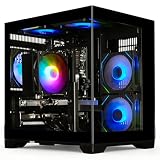
Lenovo Legion Tower 5i
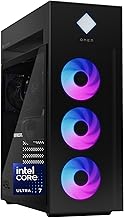
The strongest overall value here, pairing an RTX 5070 Ti with a Core Ultra 7 265F and 32GB of memory — that GPU step up delivers a meaningful frame-rate margin at 1440p and makes 4K viable in less demanding titles. Lenovo’s chassis cooling and PSU quality are also a cut above most budget prebuilts, though the 1TB drive will need supplementing eventually.
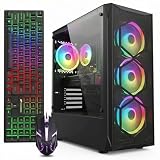
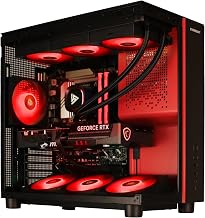
KOTIN Prebuilt Gaming PC RTX 5070
A well-balanced configuration with a Ryzen 7 9700X, RTX 5070, 32GB DDR5 and a 1TB SSD — the 9700X in particular is a strong pairing that won’t limit the GPU in CPU-bound games. Build quality and support are less polished than the big OEMs, so this is the pick for buyers comfortable troubleshooting occasionally.
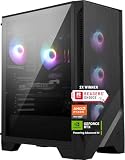
MSI Codex Z2
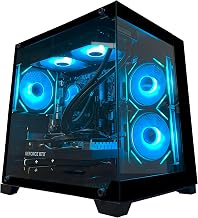
The 2TB NVMe drive is the standout, effectively saving you an upgrade most rivals force on you, and the RTX 5070 plus 32GB DDR5 handles 1440p high settings confidently. The R7-8700F is a slightly older chip than the 9700X but remains more than sufficient for this class of GPU.
Alienware Aurora
Solid RTX 5070 and Core Ultra 7 265F pairing with Dell’s warranty and support network behind it, which genuinely matters if this is your first desktop. The tradeoff is Alienware’s traditionally proprietary internals and tighter airflow, so treat it as a well-supported machine rather than an upgrade platform.
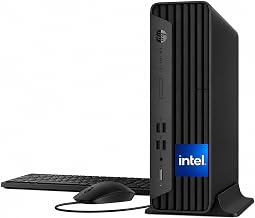
CyberPowerPC Ryzen 5 5500
This is the budget-entry option, and it should be priced well below the $1,500 cap — the RX 6500 XT’s 4GB of VRAM limits it firmly to 1080p medium settings in current titles. Reasonable for esports and older games, but stretch your budget if you can.
Frequently Asked Questions
Is $1,500 enough for solid 1440p gaming in 2026?
Yes. An RTX 5070-class card paired with a modern eight-core CPU will run the majority of current titles at 1440p high settings above 60fps, often well above it with upscaling enabled. 4K remains a stretch at this budget outside of less demanding games.
Should I buy a prebuilt or build my own?
Building your own still saves money and gives you full control over component quality, but the gap has narrowed as GPU pricing has stabilized. If you value warranty coverage and a working machine out of the box, a prebuilt from an established brand is a defensible choice.
Do I need 32GB of RAM, or is 16GB fine?
16GB is still playable, but 32GB is the safer purchase in 2026 — several recent releases list it as recommended, and it costs relatively little when bundled. If you buy a 16GB system, confirm it has two free DIMM slots.
Which components should I plan to upgrade first?
Storage, almost always. After that, the graphics card is the most impactful upgrade — which is why PSU wattage and case dimensions matter more than they appear when you’re comparing spec sheets.
Final Thoughts
For most buyers, the Lenovo Legion Tower 5i is the pick we’d make ourselves — the RTX 5070 Ti gives it genuine headroom that the rest of this list lacks, and Lenovo’s thermals and support are dependable. The KOTIN RTX 5070 build is the value alternative if you want a Ryzen 7 9700X for less, while the MSI Codex Z2 earns its place on the strength of that 2TB drive, which quietly saves you the one upgrade nearly every buyer at this price ends up making.