Key takeaways
- Core Count vs. Gaming Performance: Most games still lean on strong single-thread and cache performance rather than raw core count; 6-8 fast cores often outperform 16 slower ones in-game.
- 3D V-Cache Matters: Chips with stacked cache (like AMD’s X3D line) consistently top gaming benchmarks because more data stays close to the cores, reducing latency-sensitive stutters.
- Platform Longevity: Check the motherboard socket and chipset roadmap. A platform with multiple generations of upgrade support protects your investment longer than a one-and-done socket.
- GPU Pairing and Bottlenecks: A high-end CPU paired with a mid-range GPU (or vice versa) wastes money. Match CPU tier to your target resolution and graphics card class.
- Power and Cooling Needs: Higher core-count and higher-clock chips draw more power and need better cooling. Factor case airflow and cooler budget into your total build cost.
What's inside
Choosing the right CPU for a gaming PC in 2026 is harder than it looks. With AMD and Intel both fielding chips that split the difference between raw core count, gaming-specific cache tricks, and efficiency, it’s easy to overspend on cores you’ll never use or underspend on the cache that actually drives frame rates.
This guide breaks down the top desktop processors and pre-built gaming systems worth buying right now, what separates a gaming-first chip from a productivity-first one, and how to match your CPU choice to your GPU, budget, and use case.
As an Amazon Associate we earn from qualifying purchases at no extra cost to you. Product prices and availability are accurate as of the date shown and are subject to change.




🎮 Get More From Your Setup — Free
Prime Gaming gives you free PC games every month, in-game loot, and a free Twitch channel sub — plus fast free shipping on all the gear above. New members get a 30-day free trial.
Watch: Best Cpus For Gaming PC — Video Review
How to Choose a CPU For Gaming PC (2026)
- Core Count vs. Gaming Performance: Most games still lean on strong single-thread and cache performance rather than raw core count; 6-8 fast cores often outperform 16 slower ones in-game.
- 3D V-Cache Matters: Chips with stacked cache (like AMD’s X3D line) consistently top gaming benchmarks because more data stays close to the cores, reducing latency-sensitive stutters.
- Platform Longevity: Check the motherboard socket and chipset roadmap. A platform with multiple generations of upgrade support protects your investment longer than a one-and-done socket.
- GPU Pairing and Bottlenecks: A high-end CPU paired with a mid-range GPU (or vice versa) wastes money. Match CPU tier to your target resolution and graphics card class.
- Power and Cooling Needs: Higher core-count and higher-clock chips draw more power and need better cooling. Factor case airflow and cooler budget into your total build cost.
The Best CPUs For Gaming PC (2026)s Reviewed
AMD Ryzen 7 9800X3D
The 9800X3D is the current gaming performance leader, combining AMD’s latest core architecture with 3D V-Cache to deliver class-leading frame rates across nearly every title. If pure gaming performance is the goal, this is the chip to beat.
AMD Ryzen 7 7800X3D
Still one of the best value-to-performance gaming CPUs available, the 7800X3D delivers frame rates remarkably close to newer flagship chips at a lower price point, making it ideal for budget-conscious high-refresh builds.
Intel Core Ultra 9 285K
With 24 cores split across performance and efficiency clusters, the 285K is built for gamers who also stream, edit, or multitask heavily, offering excellent multi-core throughput alongside strong single-thread gaming performance.
AMD Ryzen 9 9900X
The 9900X balances 12 cores and 24 threads with strong per-core speed, making it a smart pick for gamers who also do content creation, rendering, or heavy multitasking without stepping up to a full workstation chip.
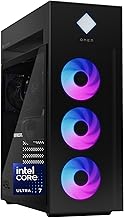
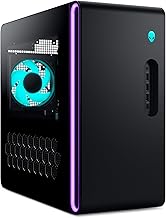
Alienware Aurora (RTX 5070, Core Ultra 7 265F)
For buyers who’d rather skip the build process entirely, this pre-built pairs a capable Core Ultra 7 with an RTX 5070, fast DDR5 memory, and Wi-Fi 7 in a system tuned and tested out of the box.
Frequently Asked Questions
Do I need the most expensive CPU for gaming in 2026?
No. Mid-range chips with strong single-core performance or 3D V-Cache, like the 7800X3D, often deliver 90%+ of flagship gaming performance at a fraction of the cost.
Is AMD or Intel better for gaming right now?
AMD’s X3D chips currently lead most gaming benchmarks thanks to their cache design, while Intel’s Core Ultra lineup offers stronger multi-core performance for hybrid gaming and productivity workloads.
How much RAM and storage should pair with a modern gaming CPU?
32GB of DDR5 and a 1TB NVMe SSD is the sweet spot for 2026 gaming builds, giving headroom for modern titles, background apps, and fast load times.
Should I build my own PC or buy a pre-built?
Building gives better price-to-performance and upgrade flexibility, while pre-builts like the Alienware Aurora save time and come with warranty support and tested compatibility.
Final Thoughts
For most gamers, the AMD Ryzen 7 9800X3D is the top overall pick, with the Ryzen 7 7800X3D offering nearly identical real-world gaming performance at a better price, and the Alienware Aurora serving as the best hassle-free pre-built option for those who want a complete system without the build process.