Key takeaways
- Excellent 1440p value with strong 4K capability via DLSS 4.
- Modern platforms with DDR5, PCIe 5.0, and WiFi 7 on most builds.
- Liquid cooling standard, keeping temps and noise in check under load.
- Warranty and support you don’t get building it yourself.
What's inside
The RTX 5070 has quickly become the sweet spot of the Blackwell generation, delivering high-refresh 1440p and capable 4K gaming without the eye-watering price of the flagship cards. For anyone who’d rather skip the parts-list rabbit hole, a prebuilt gaming PC with an RTX 5070 bundles that GPU with a modern CPU, fast DDR5 memory, and a proper cooling setup, ready to run out of the box.
But prebuilt quality varies wildly. The CPU pairing, PSU wattage, RAM speed, and thermal design separate a machine that ages gracefully from one that throttles under load. Here’s how the leading RTX 5070 systems stack up and what to prioritize before you buy.
As an Amazon Associate we earn from qualifying purchases at no extra cost to you. Product prices and availability are accurate as of the date shown and are subject to change.



🎮 Get More From Your Setup — Free
Prime Gaming gives you free PC games every month, in-game loot, and a free Twitch channel sub — plus fast free shipping on all the gear above. New members get a 30-day free trial.
Watch: Prebuilt Gaming Pc 5070: Review & Buyer’s Guide — Video Review
Design & Build
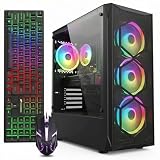
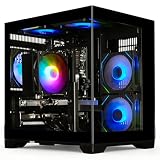
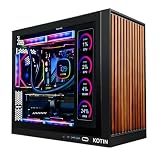
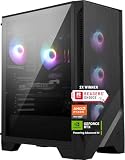
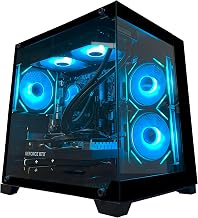
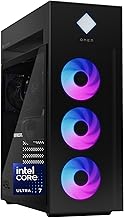
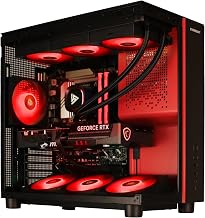
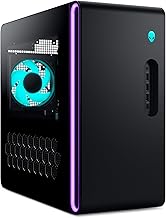
The current crop leans heavily on ARGB tempered-glass towers with 360mm AIO liquid coolers, and the differences come down to component pairing. The STORMCRAFT Falcon and Skytech builds lead with AMD’s Ryzen 7 7800X3D, widely considered the best gaming CPU available thanks to its 3D V-Cache, while the KOTIN system pairs the 5070 with a Ryzen 7 9700X and adds a novel 11.3-inch smart display in the case. Intel fans get the Alienware Aurora with a Core Ultra 7 265F, and MSI’s Codex Z2 rounds things out with a Ryzen 7-8700F. Most ship with 850W 80+ Gold power supplies, which leaves comfortable headroom for the 5070.
Performance
Real-world, the CPU choice matters more than the badge on the box. The 7800X3D-equipped Falcon and Skytech Chronos will edge ahead in CPU-bound esports titles and 1% lows, making them the picks for competitive players. The 9700X in the KOTIN and the Alienware’s Intel chip are no slouches either and pull ahead in productivity workloads. Across the board, expect triple-digit frame rates at 1440p ultra and a very playable 4K experience with DLSS 4 doing the heavy lifting. Memory configs of 32GB DDR5 are standard and appropriate; be wary of the DDR4 build on this list, as it pairs older-platform memory with a next-gen GPU.
Pros & Cons
- Excellent 1440p value with strong 4K capability via DLSS 4.
- Modern platforms with DDR5, PCIe 5.0, and WiFi 7 on most builds.
- Liquid cooling standard, keeping temps and noise in check under load.
- Warranty and support you don’t get building it yourself.
- CPU pairing varies, and a weak chip bottlenecks the GPU.
- The DDR4 build is a step behind its DDR5 rivals on this list.
- RGB-heavy aesthetics won’t suit everyone’s setup.
Alternatives to Consider
If budget stretches further, an RTX 5070 Ti or 5080 build unlocks smoother native 4K, though the 5070 remains the value champion. On the other side, a 5060-class prebuilt costs less and handles 1080p and entry 1440p if 4K isn’t on your radar. For the money, though, the 5070 tier hits the best price-to-performance ratio in this generation.
Frequently Asked Questions
Is the RTX 5070 good for 4K gaming?
Yes, especially with DLSS 4 and frame generation enabled. Expect a smooth 4K experience in most titles, with native 4K best reserved for less demanding games.
Which CPU should I pair with the 5070?
For pure gaming, the Ryzen 7 7800X3D is the standout. The 9700X or Intel Core Ultra chips are excellent all-rounders if you also do creative or productivity work.
Is an 850W power supply enough?
Comfortably. The RTX 5070 is efficient, and 850W 80+ Gold leaves plenty of headroom for the whole system plus future upgrades.
Should I avoid DDR4 builds?
Where possible, yes. DDR5 offers meaningfully better bandwidth on modern platforms, and pairing a next-gen GPU with older DDR4 memory limits your upgrade path.
Verdict
An RTX 5070 prebuilt is the smart middle ground of this generation, and the standouts here are the STORMCRAFT Falcon and Skytech systems for pairing the GPU with the class-leading 7800X3D. The KOTIN build’s smart display adds novelty value, and the Alienware Aurora is a tidy Intel option with solid support. Prioritize a DDR5 platform and a strong gaming CPU, and this tier will handle everything you throw at it for years.