Our Top Picks
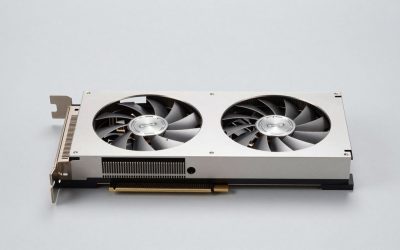
 MSI Gaming RTX 4070 Super 12G Ventus 3X1.7" x 4.7" x 12.1"12.1 x 4.7 x 0.1 inches2.6 poundsCheck on Amazon
Thinking about playing The Evil Within 2 on PC and wondering what hardware you actually need? The Evil Within 2 is a single-player survival-horror game released in October 2017, and it is one of the more forgiving games of its era — the official minimum calls for a GeForce GTX 660 or Radeon HD 7970, cards that predate the game by several years. That means the machine you already own may well be enough, and any modern mid-range build will run it without breaking a sweat. This guide covers the official PC system requirements for The Evil Within 2, the best GPU for each resolution, and build recommendations if you also want headroom for newer titles.
🛒 Best Price Today on Amazon
Check today’s deals on the products above before you buy. Prices change often, so compare the live price on Amazon.
How Demanding Is The Evil Within 2?
Not very, by today’s standards. The Evil Within 2 arrived in 2017 on an id Tech-derived engine, and its published requirements reflect that: an Intel Core i5-2400 or AMD FX-8320 with 8 GB of RAM and a GeForce GTX 660 / Radeon HD 7970 on the minimum side, rising to a Core i7-4770 or Ryzen 5 1600X with 16 GB and a GTX 1060 6GB / RX 480 8GB on the recommended side. Those are modest targets that even entry-level current-generation cards clear comfortably. It is a story-driven, single-player survival-horror game — there is no large-scale multiplayer or heavy simulation work — so it is not a CPU-bound title either. In practice a budget card handles 1080p, a modern mid-range card handles 1440p, and 4K is within reach of upper mid-range hardware rather than requiring a flagship.

MSI GeForce RTX 4070 Super 12G Ventus 2X OC Gaming Graphics Card - 12 GB GDDR6X (21Gbps / 192 Bits), PCIe 4.0-2 x TORX 4.0 Fans - HDMI 2.1a, DisplayPort 1.4a
Chosen because it specifies 12 GB GDDR6X (21Gbps / 192 Bits) and PCIe 4.0-2 x TORX 4.0 Fans.
View on Amazon
msi GeForce RTX 4070 Ti Super 16G Ventus 3X Black OC Graphics Card (NVIDIA RTX 4070 Ti Super, 256-Bit, Extreme Clock: 2655 MHz, 16GB GDRR6X 21Gbps, HDMI/DP, Ada Lovelace Architecture)
Chosen because it specifies 256-Bit and Extreme Clock: 2655 MHz.
View on AmazonMSI Gaming RTX 4070 Super 12G Ventus 3X OC Graphics Card (NVIDIA RTX 4070 Super, 192-Bit, Extreme Clock: 2520 MHz, 12GB GDRR6X 21 Gbps, HDMI/DP, Ada Lovelace Architecture)
Chosen because it specifies 192-Bit and Extreme Clock: 2520 MHz.
View on Amazon
MSI GeForce RTX 4070 Ventus 2X 12G OC Graphics Card - 12 GB GDDR6X (21 GB/s, 192-bit), PCIe 4.0-2 x TORX 4.0 Fans - HDMI 2.1a, DisplayPort 1.4a
Chosen because it specifies 12 GB GDDR6X (21 GB/s and 192-bit).
View on AmazonThe Evil Within 2 Official PC System Requirements
These are the requirements Bethesda published for the PC version of The Evil Within 2.
| Component | Minimum (official) | Recommended (official) |
|---|---|---|
| OS | Windows 7/8.1/10 (64-bit versions) | Windows 7/8.1/10 (64-bit versions) |
| Processor | Intel Core i5-2400 / AMD FX-8320 or better | Intel Core i7-4770 / AMD Ryzen 5 1600X or better |
| Memory | 8 GB RAM | 16 GB RAM |
| Graphics | NVIDIA GTX 660 2GB / AMD HD 7970 3GB or better | NVIDIA GTX 1060 6GB / AMD RX 480 8GB or better |
| Storage | 40 GB available space | 40 GB available space |
Source: the official The Evil Within 2 Steam store listing (app 601430), checked October 2026. Publishers can update these specs after patches.
Best GPU for The Evil Within 2 by Resolution
1080p
The official recommended card for The Evil Within 2 is a GeForce GTX 1060 6GB or Radeon RX 480 8GB, while the official minimum is a GTX 660 2GB or HD 7970 3GB — both comfortably 1080p-class by the standards of the game’s era. Anything modern clears that bar with room to spare: the AMD Radeon RX 7600 sits well above the recommended specification, and a current entry-level card such as the GeForce RTX 5060 or Radeon RX 9060 XT is more than enough for high settings at 1080p.
1440p
1440p asks for a bit more than the official recommendation, but not dramatically so for a 2017 title. A current mid-range card such as the GeForce RTX 5060 Ti or Radeon RX 9060 XT handles The Evil Within 2 at 1440p without difficulty, and the NVIDIA GeForce RTX 4070 SUPER or a newer RTX 5070 / RX 9070 gives you plenty of headroom for high refresh rates. This is the resolution most PC gamers target, and cards in this class leave The Evil Within 2 far behind its recommended specification.
4K
4K is the heaviest of the three, but The Evil Within 2 is an older, lighter title rather than a modern ray-traced showcase, so you do not need a flagship. A current upper mid-range card such as the GeForce RTX 5070 or Radeon RX 9070 is a sensible choice, and the NVIDIA GeForce RTX 4070 Ti SUPER is comfortably beyond what the game needs at this resolution. Hardware well above the official recommended GTX 1060 6GB / RX 480 8GB is what makes 4K practical here.
CPU, RAM and Storage for The Evil Within 2
The official CPU requirements are mild — a Core i5-2400 or FX-8320 at minimum, a Core i7-4770 or Ryzen 5 1600X at recommended — so almost any processor from the last decade will do. If you are building fresh, the AMD Ryzen 5 7600 is excellent value for gaming, while the AMD Ryzen 7 7800X3D is one of the fastest mainstream gaming CPUs if you want maximum frame rates in newer titles too. Intel fans can opt for the Intel Core i5-14600K. For memory, 8 GB is the official minimum and 16 GB is the official recommendation; a 32 GB DDR5 kit such as the Corsair Vengeance DDR5 32GB is more than The Evil Within 2 needs, but it is a sensible long-term choice for a new build. Storage is a flat 40 GB of available space with no SSD specified, though installing the game on a fast NVMe drive like the Samsung 990 Pro 2TB NVMe SSD will shorten load times and smooth out asset streaming.
Recommended PC Builds for The Evil Within 2
Every build below is far above what The Evil Within 2 actually requires — treat them as sensible modern systems that will also run newer games, rather than as a shopping list for this one title.
1080p budget build: AMD Radeon RX 7600 + AMD Ryzen 5 7600 + 16 GB DDR5 — well beyond the official recommended spec, and plenty for high settings at 1080p.
1440p sweet-spot build: NVIDIA GeForce RTX 4070 SUPER + AMD Ryzen 7 7800X3D + 32 GB DDR5 + 2TB NVMe SSD — the setup most players should aim for if they mix older and current games.
4K high-end build: NVIDIA GeForce RTX 4070 Ti SUPER + AMD Ryzen 7 7800X3D + 32 GB DDR5 + fast NVMe SSD — for 4K gaming across the board, The Evil Within 2 included.
Is It Worth Upgrading Your PC for The Evil Within 2?
Probably not on this game’s account alone. If your PC already meets the official minimum — a GTX 660 / HD 7970-class GPU, a quad-core CPU and 8 GB of RAM — you can play The Evil Within 2 without buying anything at all. If your hardware falls below that line, or you also want to play newer releases, then an upgrade makes sense, and the graphics card still delivers by far the biggest jump in gaming performance, so start there. A mid-range CPU from the last several years will not hold a modern GPU back in this game, so there is little reason to replace a working processor for it. Moving from 8 GB to 16 GB of RAM and installing the game on an SSD are inexpensive changes that help overall responsiveness. Target the weakest part of your build rather than replacing everything at once.
Can You Play The Evil Within 2 on a Laptop or Handheld?
Yes — the game’s modest requirements make it a good fit for portable hardware. A gaming laptop with a discrete GPU from the GTX 1060 era or newer, such as an RTX 4050 or 4060-class mobile chip, runs The Evil Within 2 well at 1080p, though expect more heat and shorter battery life than a desktop. Handhelds like the Steam Deck and ROG Ally have more than enough GPU power for a 2017 title of this scale, making The Evil Within 2 a solid portable pick. If portability matters, prioritise a device with a capable GPU and pair it with fast storage.
How to Boost FPS in The Evil Within 2
If performance falls short of what you want, start by lowering the render resolution — that remains the single biggest lever, since The Evil Within 2 shipped in 2017 and predates modern in-game upscalers such as DLSS and FSR. After that, reduce the most expensive settings first: shadows, effects and post-processing typically cost the most performance for the least visual gain. Keep your GPU drivers up to date, close background apps, and install the game on an SSD to cut loading and streaming hitches. A stable frame rate at slightly reduced settings almost always feels better than maxed-out visuals with stutter.
Frequently Asked Questions
Can my PC run The Evil Within 2?
If your PC meets the official minimum — an Intel Core i5-2400 or AMD FX-8320, 8 GB of RAM, and a GeForce GTX 660 2GB or Radeon HD 7970 3GB — then yes, it can run The Evil Within 2 at reduced settings, with 40 GB of free storage required. For the recommended experience, aim for a Core i7-4770 or Ryzen 5 1600X, 16 GB of RAM and a GTX 1060 6GB or RX 480 8GB — a bar that even today’s entry-level cards clear.
Is The Evil Within 2 demanding on PC?
No. The Evil Within 2 is a 2017 survival-horror game with modest official requirements, and mid-range hardware from that era handles it comfortably at 1080p and 1440p.
What GPU do I need for The Evil Within 2 at 1440p 60fps?
Anything above the official recommended GTX 1060 6GB / RX 480 8GB has room to spare at 1440p — a current mid-range card such as the GeForce RTX 5060 or Radeon RX 9060 XT is a comfortable choice, and the NVIDIA GeForce RTX 4070 SUPER is far more than the game needs. Cards in this tier give you headroom for future titles too.
How much RAM does The Evil Within 2 need?
The official minimum is 8 GB of RAM and the official recommendation is 16 GB. 16 GB is the practical target for a modern gaming PC in general, but The Evil Within 2 itself will run within the 8 GB minimum.
Do I need an SSD for The Evil Within 2?
No — the official storage requirement is 40 GB of available space, with no SSD specified. That said, an SSD noticeably reduces load times, and an NVMe drive like the Samsung 990 Pro is a good general-purpose choice for modern games.