Key takeaways
- Lumbar support type: Pocket-spring or integrated adjustable lumbar beats a loose strap-on pillow. Removable cushions flatten within months; built-in support keeps its shape and does more for lower-back fatigue during long sessions.
- Frame and weight rating: Check the stated capacity and pick a chair rated well above your body weight. A 330 lb or 400 lb rating usually signals a steel frame and a Class 4 gas lift rather than the cheaper hardware that causes sag and sinking.
- Upholstery material: PU leather is easy to wipe down and looks sharp, but traps heat. Breathable mesh runs cooler and suits warm rooms or long sessions, at the cost of a less plush feel. Choose for your climate, not the photos.
- Adjustability that matters: Prioritize recline range, seat height, and armrests that move in more than one direction. 3D or 4D armrests let you align your elbows with your desk, which does more for shoulder strain than any headrest.
- Footrest and seat depth: A retractable footrest is great for breaks but adds weight and a potential failure point. More important is seat depth — you want two to three fingers of clearance behind your knees to avoid circulation pressure.
What's inside
Shopping for a gaming chair under $300 is genuinely frustrating in 2026. The category is flooded with near-identical listings, inflated “ergonomic” claims, and photos that reveal nothing about build quality. Two chairs that look nearly identical on screen can differ enormously in foam density, frame material, and how they hold up after a year of daily eight-hour sessions.
This guide cuts through that noise. We’ve focused on chairs that stay realistically inside a $300 budget while delivering the things that actually matter over the long run: supportive lumbar geometry, durable frames, adjustability that doesn’t seize up, and materials that survive real use. Below you’ll find our top picks, a practical buying checklist, and answers to the questions we hear most from readers.
As an Amazon Associate we earn from qualifying purchases at no extra cost to you. Product prices and availability are accurate as of the date shown and are subject to change.


⚡ Save on Your Next PC — Amazon Prime
Prime members get fast free shipping on the systems above, plus early access to Prime Day & Black Friday PC deals. New members get a 30-day free trial.
Watch: Best Gaming Chair Under $300 — Video Review
How to Choose Gaming Chair Under $300
- Lumbar support type: Pocket-spring or integrated adjustable lumbar beats a loose strap-on pillow. Removable cushions flatten within months; built-in support keeps its shape and does more for lower-back fatigue during long sessions.
- Frame and weight rating: Check the stated capacity and pick a chair rated well above your body weight. A 330 lb or 400 lb rating usually signals a steel frame and a Class 4 gas lift rather than the cheaper hardware that causes sag and sinking.
- Upholstery material: PU leather is easy to wipe down and looks sharp, but traps heat. Breathable mesh runs cooler and suits warm rooms or long sessions, at the cost of a less plush feel. Choose for your climate, not the photos.
- Adjustability that matters: Prioritize recline range, seat height, and armrests that move in more than one direction. 3D or 4D armrests let you align your elbows with your desk, which does more for shoulder strain than any headrest.
- Footrest and seat depth: A retractable footrest is great for breaks but adds weight and a potential failure point. More important is seat depth — you want two to three fingers of clearance behind your knees to avoid circulation pressure.
The Best Picks Reviewed
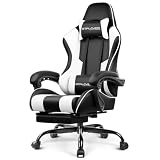
GTPLAYER Gaming Chair with Footrest (Pearl White)
This is the well-rounded pick for most buyers: a 360°-swivel seat, height adjustment, a retractable footrest, and genuinely useful lumbar and headrest cushions in a clean pearl white finish. It’s comfortable straight out of the box, and the recline is smooth enough to double as a break-time recliner without feeling flimsy.
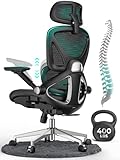
Marsail Ergonomic Office Chair (High-Back Mesh)
The best choice if you run hot or share the chair between gaming and a full workday. The high-back mesh keeps airflow moving, and the adjustable lumbar plus 3D armrests give it a level of task-chair ergonomics that most racing-style seats in this bracket simply don’t offer.
GTPLAYER Big and Tall Gaming Chair (400 lb)
The standout for larger frames and taller players, with a 400 lb capacity, a wide 3D saddle-shaped cushion, and pocket-spring lumbar support aimed squarely at back-pain relief. The reinforced base and heavier-duty hardware make it feel considerably more planted than typical budget chairs.
Kslysuty High-Back Gaming Chair (White Leather)
A strong value pick that punches above its price thanks to a pocket-spring seat cushion — a feature usually reserved for pricier chairs — plus a footrest and proper lumbar support. The white leather finish suits streaming setups, though it needs occasional wiping to stay looking sharp.
Gaming Chair for Adults with Footrest (330 lb)
The budget-conscious option that still covers the essentials: ergonomic backrest shaping, a 330 lb rating, and a built-in footrest for downtime. It’s a sensible first gaming chair or secondary-desk chair where you want comfort without spending near the top of the budget.
Frequently Asked Questions
Is a gaming chair under $300 actually worth buying?
Yes, provided you buy carefully. The $200–$300 range is where you start reliably getting steel frames, Class 4 gas lifts, and denser foam. Below roughly $150, corners get cut in ways you’ll feel within six months.
Racing-style gaming chair or ergonomic mesh chair?
Racing-style chairs offer more padding, deeper recline, and footrests, making them better for long casual sessions. Mesh ergonomic chairs like the Marsail run cooler and support better posture for desk work. If you sit eight-plus hours daily for work and play, mesh is usually the smarter pick.
How long should a chair in this price range last?
Expect three to five years of daily use from a well-built model with a steel frame and a high weight rating. The first components to fail are typically the gas lift and the armrest mechanisms, so favor chairs with generous capacity ratings and simple, sturdy armrest designs.
Do I really need a footrest?
It’s a comfort luxury rather than an ergonomic necessity. A footrest is genuinely useful for breaks and reclining between matches, but it adds weight and a moving part that can loosen. If posture during active gaming is your priority, spend that budget on lumbar support and armrest adjustability instead.
Final Thoughts
For most buyers, the GTPLAYER Gaming Chair with Footrest is the safest all-round choice under $300 — comfortable, well-equipped, and consistently solid. If you run hot or split your time between gaming and work, the Marsail Ergonomic Office Chair is the better ergonomic investment, while larger or taller players will get far more longevity from the GTPLAYER Big and Tall with its 400 lb frame and pocket-spring lumbar support.