Key takeaways
- Tiny footprint that hides behind a monitor or mounts via VESA.
- Multi-display support up to triple 4K on the Ryzen models.
- Low power draw and near-silent operation versus a full tower.
- Real expandability on units like the GEEKOM Air12 and KAMRUI.
What's inside
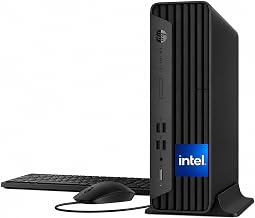
Prime Day is prime hunting season for mini PCs, and the category has matured to the point where a palm-sized box can genuinely replace a bulky tower for office work, media, and light creative tasks. The deals swing wildly in specs, though, from bargain Celeron units to Ryzen machines that drive triple 4K displays, so knowing what a discount actually gets you matters more than the percentage off.
This review cuts through the noise around Prime Day mini PC deals, evaluating a spread of popular models so you can tell a real value from a spec-sheet trap before the countdown timer pressures you into a rushed buy.
As an Amazon Associate we earn from qualifying purchases at no extra cost to you. Product prices and availability are accurate as of the date shown and are subject to change.


🎮 Get More From Your Setup — Free
Prime Gaming gives you free PC games every month, in-game loot, and a free Twitch channel sub — plus fast free shipping on all the gear above. New members get a 30-day free trial.
Watch: Mini Pc Deals Prime Day: Review & Buyer’s Guide — Video Review
Design & Build
Mini PCs live or die by thermals and expandability, and this group covers both extremes. The BOSGAME E2 and GMKtec G10 pack Ryzen 5 3500U chips into compact chassis with proper venting, while the GEEKOM Air12 leans into a slim, business-friendly footprint with dual-slot upgradeable RAM, a genuinely useful feature at this size. Budget units like the KAMRUI AK1PLUS and the Intel N3160 box trade horsepower for silence and a tiny footprint, and the KAMRUI’s support for a 2.5″ SSD expansion is a nice touch for anyone who outgrows the boot drive.
Performance
The Ryzen 5 machines, the BOSGAME E2, GMKtec G10, and BOSGAME E5 with its 5300U, are the sweet spot here, comfortably handling multitasking, 4K playback, and triple-display output over dual HDMI and USB-C. The GEEKOM Air12’s Intel 7505 is a step down but still fine for browser-heavy work and 8K output on a single screen. The Celeron N5095 in the KAMRUI and the older N3160 are strictly for light duty: web, documents, and streaming. Buy a Ryzen unit if you plan to keep dozens of tabs and a couple of monitors busy; buy the budget Intels only if simplicity and price rule your decision.
Pros & Cons
- Tiny footprint that hides behind a monitor or mounts via VESA.
- Multi-display support up to triple 4K on the Ryzen models.
- Low power draw and near-silent operation versus a full tower.
- Real expandability on units like the GEEKOM Air12 and KAMRUI.
- No discrete GPU, so serious gaming is off the table.
- Budget Celeron units feel sluggish under real multitasking.
- Cooling on the smallest boxes can throttle under sustained load.
Alternatives to Consider
If your workload includes gaming or GPU-accelerated editing, a compact tower or a mini PC with an integrated Radeon 780M will serve you far better than these entry chips. Shoppers who only need a media box might find a streaming stick cheaper than even the N3160 unit. And if RAM and storage upgrades matter long-term, prioritize the dual-slot GEEKOM over sealed budget models regardless of the Prime Day headline price.
Frequently Asked Questions
Are mini PC Prime Day deals actually cheaper?
Often yes, but verify the price history. A “deal” on a Celeron box may still cost more than a better-value Ryzen unit at full price, so compare specs, not just discount badges.
Can these run dual or triple monitors?
The Ryzen 5 models like the BOSGAME E2 and GMKtec G10 support triple 4K output. Budget units typically top out at dual displays.
Is 16GB of RAM enough?
For office work, browsing, and media, 16GB is plenty. Heavy virtualization or many simultaneous apps benefit from the upgradeable slots on the GEEKOM Air12.
Do they come with Windows?
Most ship with Windows 11 preinstalled, including the BOSGAME E5 with Win11 Pro. Always confirm the license is genuine on very cheap listings.
Verdict
The best Prime Day mini PC deal is the one matched to your actual workload. For most people, a Ryzen 5 unit like the BOSGAME E2 or GMKtec G10 delivers the strongest all-round value, with the GEEKOM Air12 the pick if future RAM upgrades matter. Reserve the budget Celeron boxes for genuinely light, single-screen use, and let the specs, not the timer, make the call.