Key takeaways
- Unmatched power: the RTX 5090 with 32GB GDDR7 leads in 4K gaming, AI, and creation.
- Prebuilt convenience: systems like the OMEN 45L and Legion Tower 7i arrive tuned, cooled, and ready.
- Robust cooling and power: liquid cooling and 1000W-plus PSUs sustain peak performance.
- Workstation-capable: multi-4K display support suits professionals as well as gamers.
What's inside
A GeForce RTX 5090 PC sits at the absolute top of consumer gaming and creative hardware. Built around NVIDIA’s flagship Blackwell GPU with 32GB of GDDR7, these machines are designed for 4K gaming at high refresh rates, demanding AI workloads, and professional content creation without compromise. If you want the fastest experience money can buy, this is the tier you’re shopping in.
In this review we look at prebuilt RTX 5090 desktops and the graphics card itself, spanning ZOTAC MEK systems, the Lenovo Legion Tower 7i, HP OMEN 45L, and the ASUS ROG Astral card. Below we assess build, performance, and whether a prebuilt or a standalone GPU makes more sense for you.
As an Amazon Associate we earn from qualifying purchases at no extra cost to you. Product prices and availability are accurate as of the date shown and are subject to change.


🎮 Get More From Your Setup — Free
Prime Gaming gives you free PC games every month, in-game loot, and a free Twitch channel sub — plus fast free shipping on all the gear above. New members get a 30-day free trial.
Watch: Geforce Rtx 5090 Pc: Review & Buyer’s Guide — Video Review
Design & Build
RTX 5090 systems demand serious engineering, and it shows. The HP OMEN 45L and Lenovo Legion Tower 7i use large chassis with liquid cooling and high-wattage power supplies, typically 1000W or more, to feed the power-hungry GPU and top-tier CPUs like the Intel Core Ultra 9 285K. The ZOTAC MEK machines pair the 5090 with either that Intel flagship or AMD’s Ryzen 7 9800X3D in cleaner, gaming-focused builds. The ASUS ROG Astral card itself is a statement piece, with a four-fan, 3.8-slot design and a vapor chamber built to keep the 5090 cool and quiet. These are big, heavy, well-ventilated machines, exactly what this class of hardware needs.
Performance
Performance is simply the best available. The RTX 5090’s 32GB of GDDR7 chews through 4K gaming at high frame rates, drives multi-4K-display setups, and accelerates AI and rendering workloads that would bottleneck lesser cards. Paired with a Core Ultra 9 285K or Ryzen 7 9800X3D and 32GB to 128GB of DDR5, these systems handle anything from ray-traced AAA titles to professional video editing and local AI models. The HP OMEN 45L’s support for four 4K displays makes it a genuine workstation as well as a gaming rig. Liquid cooling keeps sustained clocks high, and the ample PSUs leave headroom for stability under full load.
Pros & Cons
- Unmatched power: the RTX 5090 with 32GB GDDR7 leads in 4K gaming, AI, and creation.
- Prebuilt convenience: systems like the OMEN 45L and Legion Tower 7i arrive tuned, cooled, and ready.
- Robust cooling and power: liquid cooling and 1000W-plus PSUs sustain peak performance.
- Workstation-capable: multi-4K display support suits professionals as well as gamers.
- High cost: this is the most expensive consumer tier by a wide margin.
- Large and power-hungry: these machines are big, heavy, and draw significant power.
Alternatives to Consider
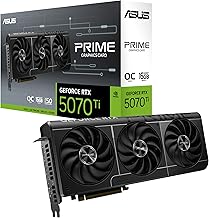
If you already have a capable system with a strong CPU and adequate power supply, buying the ASUS ROG Astral RTX 5090 card alone can be more cost-effective than a full prebuilt. Gamers who don’t need flagship performance should consider an RTX 5070 Ti or 5080 build, which delivers excellent 4K results for far less. For those who want a plug-and-play experience with warranty coverage, the prebuilt OMEN 45L or Legion Tower 7i remove all the assembly risk.
Frequently Asked Questions
Is an RTX 5090 overkill for gaming?
For 1440p or standard 4K gaming, often yes. It shines at high-refresh 4K, heavy ray tracing, and AI or creative workloads. Many gamers are well served by a 5070 Ti or 5080.
Should I buy a prebuilt or just the GPU?
If your current PC has a strong CPU and a sufficient power supply, the standalone ASUS ROG Astral card is efficient. If you’re starting fresh, a prebuilt like the OMEN 45L saves effort and includes support.
What power supply does a 5090 need?
These systems ship with 1000W-plus PSUs for good reason. If building your own, don’t skimp on the power supply, as the 5090 draws substantial power under load.
Can these systems handle AI workloads?
Yes. The 32GB of GDDR7 and Blackwell architecture make RTX 5090 machines strong performers for local AI models and rendering, not just gaming.
Verdict
A GeForce RTX 5090 PC is the definitive no-compromise choice for enthusiasts and professionals. Prebuilt buyers should look hard at the HP OMEN 45L and Lenovo Legion Tower 7i for their cooling and expandability, while those upgrading an existing rig will find the ASUS ROG Astral card a superb standalone option. It’s expensive, but nothing else matches it.