Key takeaways
- Excellent 1440p high-refresh gaming performance
- DLSS 4 multi-frame generation delivers large frame-rate gains in supported games
- Compact 2.5-slot, SFF-ready design fits small and white-themed builds
- Dual BIOS and DisplayPort 2.1 outputs add flexibility and future-proofing
The NVIDIA GeForce RTX 5070, here in the compact ASUS SFF-Ready Prime White OC Edition, is the card that carries a lot of 2026’s mainstream gaming hopes. Built on NVIDIA’s Blackwell architecture with 12GB of fast GDDR7, it targets high-refresh 1440p gaming with DLSS 4 and multi-frame generation as its headline weapons.
This particular model is aimed at builders who want RTX 5070 performance in a clean white, small-form-factor-friendly package. If you are assembling a compact or white-themed 1440p gaming rig and want a well-cooled, understated card, the ASUS Prime White OC is designed for you.
Our top picks
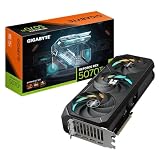
 ASUS SFF-Ready Prime NVIDIA GeForce RTX 5070
- Product Group: Personal Computer
- Binding: Personal Computers
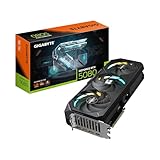
 ASUS SFF-Ready Prime NVIDIA GeForce RTX™ 5070
- Product Group: Personal Computer
- Binding: Personal Computers


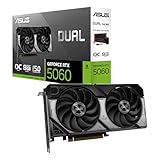
 ASUS Dual NVIDIA GeForce RTX 5060 8GB
- Product Group: Personal Computer
- Binding: Personal Computers


As an Amazon Associate we earn from qualifying purchases at no extra cost to you. Ratings are shown as listed on Amazon.
⚡ Save on Your Next PC — Amazon Prime
Prime members get fast free shipping on the systems above, plus early access to Prime Day & Black Friday PC deals. New members get a 30-day free trial.
Watch: GeForce RTX 5070 Review — Video Review
Design & Build
ASUS’s Prime line is the sensible, no-drama tier, and the White OC Edition looks the part: a clean 2.5-slot cooler with Axial-tech fans, a dual-BIOS switch for quiet or performance profiles, and SFF-ready dimensions that fit small cases many larger cards cannot. Build quality is solid, the white shroud is tidy rather than flashy, and the modest factory OC is a small bonus. HDMI and DisplayPort 2.1 outputs are present and correct.
Performance
At 1440p the RTX 5070 is a strong performer, comfortably driving high frame rates in most modern titles and pushing well past 60fps with headroom for high-refresh monitors. Its standout feature is DLSS 4 with multi-frame generation, which can dramatically lift frame rates in supported games, making even demanding ray-traced titles playable at high settings. The 12GB of GDDR7 is fast and handles 1440p textures well.
The caveats are worth stating plainly. That 12GB buffer is adequate for 1440p today but is the card’s most debated limitation for the future, especially if you dabble in 4K or heavily modded games with large texture packs. Raw rasterisation is a measured step up rather than a generational leap, so much of the excitement rests on DLSS 4 frame generation, which adds latency and only helps in supported titles. As an SFF-focused cooler, the 2.5-slot Prime runs a touch warmer and louder under sustained load than larger triple-slot designs.
Pros & Cons
- Excellent 1440p high-refresh gaming performance
- DLSS 4 multi-frame generation delivers large frame-rate gains in supported games
- Compact 2.5-slot, SFF-ready design fits small and white-themed builds
- Dual BIOS and DisplayPort 2.1 outputs add flexibility and future-proofing
- 12GB VRAM is a real concern for 4K and future high-texture titles
- Raw rasterisation uplift is modest; gains lean heavily on DLSS 4
- Compact cooler runs warmer and louder than larger triple-slot cards
Alternatives to Consider
If you have room for a bigger cooler, the ASUS TUF Gaming RTX 5070 OC runs cooler and quieter with its beefier triple-slot design. Want a competing compact option? The GIGABYTE RTX 5070 Windforce OC SFF and the MSI RTX 5070 Ventus 2X OC are both capable value picks. If VRAM and headroom for 4K worry you, stepping up to the GIGABYTE RTX 5070 Ti Gaming OC with 16GB is the more future-proof choice.
Frequently Asked Questions
Is 12GB of VRAM enough?
For 1440p gaming today, yes. It becomes a concern at 4K or with heavily modded, texture-rich games, and it is the main reason some buyers step up to the 16GB RTX 5070 Ti.
What resolution is the RTX 5070 best for?
1440p at high refresh rates is its sweet spot. It can play at 4K, especially with DLSS, but it is not primarily a 4K card.
Does the “SFF-Ready” design matter for a normal case?
It simply means the card is compact enough for small-form-factor builds. In a normal case it still fits fine and takes up 2.5 slots, leaving room to spare.
How important is DLSS 4?
Very, for this card. Multi-frame generation is central to hitting the highest frame rates in demanding titles, though it only works in supported games and adds some input latency.
Verdict
The ASUS Prime RTX 5070 White OC is a well-built, compact way to get strong 1440p gaming with DLSS 4 in 2026. Just go in clear-eyed about the 12GB buffer and the reliance on frame generation; if those give you pause, the 16GB RTX 5070 Ti is the safer long-term bet.