Key takeaways
- Excellent 1080p and solid 1440p performance for the class, especially with DLSS 4 enabled.
- 16GB variants are genuinely future-proof, easing the VRAM anxiety that plagued past xx60 cards.
- Compact, SFF-ready designs from ZOTAC and GIGABYTE fit small-form-factor builds without drama.
- Cool and quiet, with ASUS 0dB fans idling silently.
What's inside
The RTX 5060 Ti has become one of the most talked-about graphics cards of this generation, and the reason is simple: it promises Blackwell-era features like DLSS 4 at a price that mainstream gamers can actually stomach. But “the price” is a moving target, because the 5060 Ti ships in two memory configurations and a dozen board designs, each with its own cooling, clocks, and cost.
This guide cuts through the noise. We look at what you actually get for your money across the 8GB and 16GB variants, and which specific cards deliver the best real-world value rather than just the lowest sticker. If you are shopping for a 1080p or entry-level 1440p GPU, this is where to start.
As an Amazon Associate we earn from qualifying purchases at no extra cost to you. Product prices and availability are accurate as of the date shown and are subject to change.


🎮 Get More From Your Setup — Free
Prime Gaming gives you free PC games every month, in-game loot, and a free Twitch channel sub — plus fast free shipping on all the gear above. New members get a 30-day free trial.
Watch: Rtx 5060 Ti Price: Review & Buyer’s Guide — Video Review
Design & Build
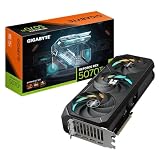
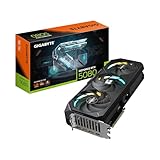
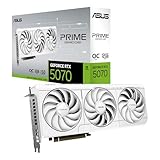
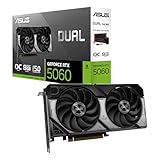
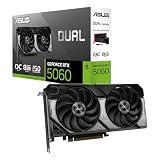
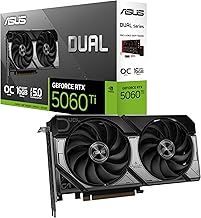
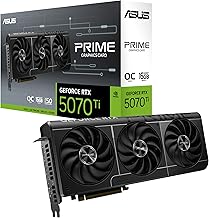
Board partners have taken very different approaches to the same GPU. The ASUS Dual RTX 5060 Ti 16GB OC uses a compact 2.5-slot axial-tech cooler with 0dB technology, meaning the fans stop entirely under light loads for silent desktop use. The PNY Epic-X ARGB goes the opposite direction with a triple-fan, RGB-lit design aimed at showpiece builds, while ZOTAC’s Twin Edge OC and GIGABYTE’s Eagle MAX OC both prioritize a slim, SFF-ready footprint that slots into small cases. All of them are PCIe 5.0 cards with HDMI 2.1b and DisplayPort 2.1b outputs.
Performance
The core silicon is identical across these cards, so raw performance clusters closely, with OC models like the ASUS Dual OC and PNY Epic-X squeezing out a few extra frames through higher boost clocks and better cooling headroom. The far bigger performance story is memory: the 16GB versions, such as the ASUS Dual and Prime 16GB cards, hold up dramatically better at 1440p and in texture-heavy modern titles, while the 8GB Twin Edge and Eagle MAX can hit VRAM limits sooner. DLSS 4 with frame generation lifts playable frame rates substantially in supported games regardless of which board you pick.
Pros & Cons
- Excellent 1080p and solid 1440p performance for the class, especially with DLSS 4 enabled.
- 16GB variants are genuinely future-proof, easing the VRAM anxiety that plagued past xx60 cards.
- Compact, SFF-ready designs from ZOTAC and GIGABYTE fit small-form-factor builds without drama.
- Cool and quiet, with ASUS 0dB fans idling silently.
- 8GB models can bottleneck in demanding 1440p titles, making the 16GB premium worth it for many buyers.
- Pricing varies widely between partners for essentially the same silicon.
- 128-bit memory bus limits bandwidth compared to higher tiers.
Alternatives to Consider
If your budget stretches a little further, stepping up to an RTX 5070 buys meaningfully more headroom for 1440p high-refresh gaming. On the other end, the standard RTX 5060 saves money if you game strictly at 1080p. Within the 5060 Ti family itself, the ASUS Prime 16GB is the value sweet spot, while the ZOTAC Twin Edge 8GB is the pick for tight budgets and small cases.
Frequently Asked Questions
Is the 8GB or 16GB RTX 5060 Ti worth it?
For 1080p, 8GB is adequate today. If you plan to game at 1440p or keep the card several years, the 16GB models like the ASUS Dual or Prime are the smarter long-term buy.
Does the RTX 5060 Ti need a big power supply?
No. Most partner cards are efficient enough to run comfortably on a quality 550 to 650W unit, though always check your specific model’s connector and wattage recommendation.
Will it fit in a small case?
Many will. The ZOTAC Twin Edge OC and GIGABYTE Eagle MAX OC are explicitly SFF-ready, and the ASUS Dual’s 2.5-slot design fits most mid-towers easily.
What resolution is the 5060 Ti best for?
It is a 1080p champion and a very capable 1440p card, particularly with DLSS 4 upscaling and frame generation turned on in supported games.
Verdict
The RTX 5060 Ti is the sensible mainstream GPU of its generation, and the 16GB ASUS Dual OC is the card we would buy for the best mix of quiet cooling, factory clocks, and longevity. Budget and small-form-factor builders are well served by the ZOTAC Twin Edge OC 8GB, which delivers the same core experience for less.