Key takeaways
- Pros: DLSS 4 multi-frame generation boosts performance significantly
- Fast GDDR7 memory across the lineup
- Options for every resolution and case size
- Modern PCIe 5.0 and 2.1 display outputs
What's inside
NVIDIA’s RTX 50-series marks the arrival of the Blackwell architecture on the desktop, and with it a new baseline for what mainstream and enthusiast gaming looks like. From the efficient RTX 5060 to the powerhouse RTX 5080, this lineup pairs blazing GDDR7 memory with DLSS 4, delivering frame-generation gains that reshape the price-to-performance conversation.
Choosing the right 50-series card means understanding where each tier lands and which board-partner design fits your build. In this review we walk through the range from GIGABYTE, PNY, and ASUS, explain how DLSS 4 changes the math, and help you pick the Blackwell GPU that matches your resolution, budget, and case.
As an Amazon Associate we earn from qualifying purchases at no extra cost to you. Product prices and availability are accurate as of the date shown and are subject to change.


🎮 Get More From Your Setup — Free
Prime Gaming gives you free PC games every month, in-game loot, and a free Twitch channel sub — plus fast free shipping on all the gear above. New members get a 30-day free trial.
Watch: Nvidia Rtx 50-series Gpus: Review & Buyer’s Guide — Video Review
Design & Build
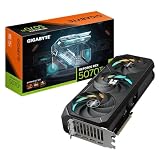
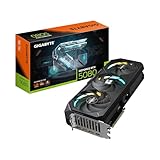
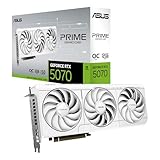
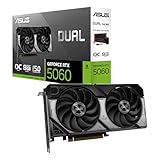
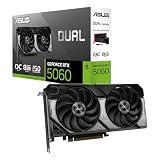
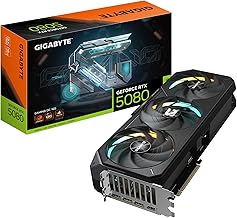
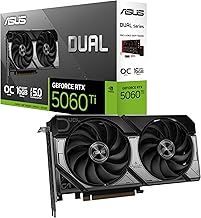
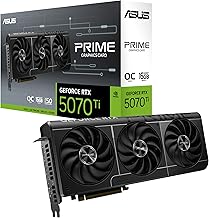
The 50-series spans a huge spread of physical designs. Compact SFF-ready cards like the GIGABYTE RTX 5070 Eagle OC ICE and PNY RTX 5080 Slim Dual-Fan suit small-form-factor builds, while triple-fan models such as the PNY RTX 5060 Ti and 5080 Epic-X ARGB target roomy towers with extra cooling headroom. ASUS rounds things out with its Dual RTX 5060 Ti and its trademark 0dB fan technology. Every card moves to PCIe 5.0 and modern HDMI 2.1b and DisplayPort 2.1b outputs, so display connectivity is future-ready across the board.
Performance
Blackwell’s headline is DLSS 4 with multi-frame generation, which dramatically lifts frame rates in supported games. The RTX 5060 and 5060 Ti are 1080p and 1440p champions, with the 16GB 5060 Ti adding valuable VRAM headroom for texture-heavy titles. The RTX 5070 steps up to comfortable 1440p and entry 4K, while the RTX 5080 with 16GB of GDDR7 handles high-refresh 4K gaming and creative workloads with ease. GDDR7 bandwidth and improved ray-tracing cores mean even the mid-range cards punch above their tier, especially with upscaling enabled.
Pros & Cons
- Pros: DLSS 4 multi-frame generation boosts performance significantly
- Fast GDDR7 memory across the lineup
- Options for every resolution and case size
- Modern PCIe 5.0 and 2.1 display outputs
- Cons: 8GB VRAM on base 5060 models can limit future titles
- Flagship 5080 cards command premium prices
- Frame-generation benefits depend on game support
Alternatives to Consider
AMD’s Radeon RX 9070 XT competes strongly on raw raster performance and offers 16GB of VRAM at a compelling price, making it worth cross-shopping against the RTX 5070 and 5070 Ti. Budget builders who game at 1080p can still find value in previous-generation cards, while those wanting the absolute best should look toward the top of NVIDIA’s stack beyond the 5080.
Frequently Asked Questions
Which RTX 50-series card is best for 1440p?
The RTX 5070 hits the sweet spot for high-refresh 1440p, while the 5060 Ti 16GB is a strong value option for the same resolution.
Is 8GB of VRAM enough in 2026?
For 1080p it remains workable, but 1440p and beyond benefit from the 16GB models like the 5060 Ti or 5080 for longevity.
What is DLSS 4 and do I need it?
DLSS 4 uses AI to generate additional frames, boosting performance in supported games. It is a major reason the 50-series feels faster than raw specs suggest.
Do these cards need a new power supply?
Higher-tier cards like the 5080 draw more power, so verify your PSU wattage and connectors. The 5060 and 5070 are friendlier to existing units.
Verdict
The RTX 50-series gives Blackwell a card for every gamer, and DLSS 4 makes the whole range more capable than its numbers imply. For most builders the RTX 5070 is the balanced pick, the 5060 Ti 16GB wins on value, and the RTX 5080 is the choice for uncompromised 4K. Match the tier to your monitor and you will land a GPU that ages gracefully.