Key takeaways
- Raw performance: The 5070 has more cores and higher throughput, giving it a clear frame-rate lead at 1440p over the 5060 Ti.
- VRAM options: The 5060 Ti comes in 8GB and 16GB flavors, while the 5070 ships with a single 12GB configuration.
- Price: The 5060 Ti undercuts the 5070, and the 8GB model is cheaper still, making it the entry point of the two.
- Target resolution: The 5060 Ti shines at 1080p and manages 1440p, whereas the 5070 is a more comfortable 1440p high-refresh card.
- Power and efficiency: The 5060 Ti draws less power and runs cooler, easing PSU and case requirements for compact builds.
- Future headroom: The 16GB 5060 Ti and the 5070 both age better than an 8GB card as game VRAM demands rise.
What's inside
For gamers building a capable 1080p or 1440p rig on a sensible budget in 2026, the RTX 5060 Ti and RTX 5070 are the two cards that dominate the shortlist. They straddle the line between mainstream affordability and genuine 1440p muscle, and the gap between them, in both price and performance, is small enough to make the decision genuinely tricky.
Complicating things further, the 5060 Ti ships in both 8GB and 16GB versions, which changes the VRAM conversation entirely depending on which you compare. This guide cuts through the confusion, laying out how the 5060 Ti and 5070 differ in real gaming terms so you can spend your money where it actually moves the needle.
As an Amazon Associate we earn from qualifying purchases at no extra cost to you. Product prices and availability are accurate as of the date shown and are subject to change.


⚡ Save on Your Next PC — Amazon Prime
Prime members get fast free shipping on the systems above, plus early access to Prime Day & Black Friday PC deals. New members get a 30-day free trial.
Watch: RTX 5060 Ti vs 5070: Which Wins in 2026? — Video Review
Quick Verdict
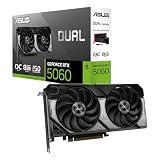
The RTX 5060 Ti, especially the 16GB version like the ASUS Dual OC, is the budget-smart choice for 1080p and light 1440p gaming with generous VRAM. The RTX 5070 is the stronger performer for high-refresh 1440p, offering more raw power for a modest premium when you want frames to spare rather than just enough.
Key Differences
- Raw performance: The 5070 has more cores and higher throughput, giving it a clear frame-rate lead at 1440p over the 5060 Ti.
- VRAM options: The 5060 Ti comes in 8GB and 16GB flavors, while the 5070 ships with a single 12GB configuration.
- Price: The 5060 Ti undercuts the 5070, and the 8GB model is cheaper still, making it the entry point of the two.
- Target resolution: The 5060 Ti shines at 1080p and manages 1440p, whereas the 5070 is a more comfortable 1440p high-refresh card.
- Power and efficiency: The 5060 Ti draws less power and runs cooler, easing PSU and case requirements for compact builds.
- Future headroom: The 16GB 5060 Ti and the 5070 both age better than an 8GB card as game VRAM demands rise.
RTX 5060 Ti
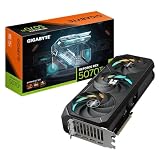
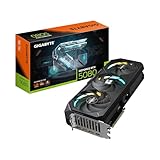
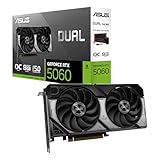
The RTX 5060 Ti is the accessible workhorse of NVIDIA’s 2026 stack, and cards like the ASUS Dual RTX 5060 Ti 16GB OC, GIGABYTE Gaming OC, and MSI Ventus 2X OC make it an easy recommendation for value builders. At 1080p it runs modern games at high settings with ease, and the 16GB variant handles 1440p and heavier textures with surprising confidence. Its lower power draw also makes it ideal for small-form-factor and budget systems with modest power supplies.
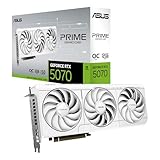
The key caveat is the VRAM split. The 8GB model is the cheapest way in, but it can bottleneck in newer, texture-heavy titles at 1440p, so the 16GB version, such as the GIGABYTE AORUS AI Box or ASUS Dual White OC, is the wiser long-term pick. Choose that one and the 5060 Ti becomes a well-rounded card that punches above its price for the resolutions most gamers actually use.
RTX 5070
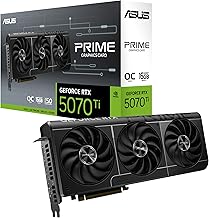
The RTX 5070 is the natural step up for players who want their 1440p experience to feel effortless rather than merely adequate. With more cores and greater memory bandwidth than the 5060 Ti, it delivers higher frame rates that pair beautifully with fast-refresh 1440p monitors, and DLSS 4 with multi-frame generation stretches its lead further in supported titles. Its 12GB of GDDR7 sits comfortably between the 5060 Ti’s two options.
You pay a modest premium over the 5060 Ti for that extra muscle, and the 5070 draws a bit more power in return. But if your goal is high-refresh 1440p with headroom for demanding games, the 5070 gives you frames to spare rather than a card working at its limit. For gamers who plan to keep the GPU for several years, that additional performance is often worth the step up.
Which Should You Buy?
- For 1080p gaming on a budget: pick the RTX 5060 Ti, because it maxes out that resolution for the lowest cost.
- For high-refresh 1440p: pick the RTX 5070, because its extra power keeps frame rates high where the 5060 Ti works harder.
- For future-proof VRAM on a budget: pick the 16GB RTX 5060 Ti like the ASUS Dual OC, because 16GB ages better than 8GB as games grow.
- For small-form-factor builds: pick the RTX 5060 Ti, because its lower power draw suits compact cases and smaller PSUs.
- For the most performance headroom: pick the RTX 5070, because it leaves more frame-rate margin for demanding titles.
Frequently Asked Questions
Should I get the 8GB or 16GB RTX 5060 Ti?
For 1440p or future-proofing, choose the 16GB version. The 8GB model is fine for 1080p and the tightest budgets, but it can run short on memory in newer texture-heavy games at higher resolutions.
Is the RTX 5070 much faster than the 5060 Ti?
It is meaningfully faster, particularly at 1440p, thanks to more cores and higher bandwidth. Whether that gap justifies the price depends on your target resolution and how much frame-rate headroom you want.
Which card is better for 1440p gaming?
The RTX 5070 is the more comfortable 1440p high-refresh card. The 16GB RTX 5060 Ti can handle 1440p well too, but the 5070 delivers higher, steadier frame rates in demanding titles.
Do both support DLSS 4?
Yes. Both are Blackwell-generation cards with full DLSS 4 support, including multi-frame generation, so both gain from NVIDIA’s latest upscaling and frame-boosting technology.
Final Verdict
The RTX 5060 Ti, ideally in its 16GB form, is the budget-savvy pick that nails 1080p and holds its own at 1440p while sipping power. The RTX 5070 asks for a modest premium and rewards you with the extra muscle that makes high-refresh 1440p feel effortless. Decide whether you want just enough performance or comfortable headroom, and pick the card that matches your monitor and budget.