Key takeaways
- For competitive FPS or MOBA play: pick a mechanical board like the Redragon K580 or Razer BlackWidow V4 X for faster, more consistent actuation.
- For a quiet shared space: pick a membrane keyboard or a mechanical model with silent linear switches, such as the BlackWidow V4 X.
- For portability and wireless setups: pick the AULA F75 Pro with its 2.4GHz/Bluetooth flexibility.
- For tight budgets: pick a membrane keyboard or the entry-level Redragon Mechanical Gaming Keyboard for mechanical feel at a lower price.
- For long-term durability and customization: pick a hot-swappable mechanical board like the AULA F75 Pro or the base Redragon model.
What's inside
Choosing between a mechanical and a membrane keyboard is one of the most consequential decisions a gamer can make, since it affects everything from reaction speed to how your hands feel after a six-hour raid session. Mechanical keyboards use individual switches under each key, delivering tactile or clicky feedback, faster actuation, and far greater durability, while membrane keyboards rely on a pressure-sensitive rubber layer that’s quieter and typically more affordable but less responsive over time.
The right choice depends on your budget, how competitively you play, and whether you value acoustic subtlety over raw performance. Below, we break down both categories using real, popular models so you can see exactly what separates a budget membrane board from a premium mechanical rig.
As an Amazon Associate we earn from qualifying purchases at no extra cost to you. Product prices and availability are accurate as of the date shown and are subject to change.


🎮 Get More From Your Setup — Free
Prime Gaming gives you free PC games every month, in-game loot, and a free Twitch channel sub — plus fast free shipping on all the gear above. New members get a 30-day free trial.
Watch: Mechanical vs Membrane Keyboard: Which Is Better for Gaming? — Video Review
Quick Verdict
Mechanical keyboards like the Redragon K580, AULA F75 Pro, Logitech G413 SE, Razer BlackWidow V4 X, and SteelSeries Apex 5 are best for competitive gamers, typists, and anyone who wants durable switches, faster response times, and satisfying tactile feedback. Membrane keyboards remain a solid pick for casual players and budget-conscious buyers who prioritize quiet operation and a lower upfront cost over long-term performance.
Mechanical Keyboards
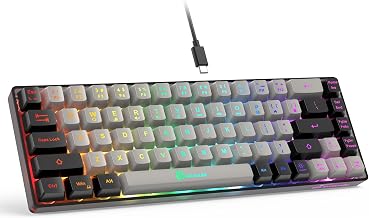
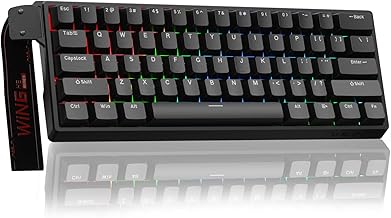
Mechanical switches register keystrokes through a physical actuation point, which means less input lag and more consistent performance over millions of keypresses. The Redragon Mechanical Gaming Keyboard with hot-swappable red switches is a great entry point, offering anti-ghosting and double-shot PBT keycaps that resist shine even after heavy use. Step up to the Redragon K580 and you get tactile blue switches plus dedicated macro keys and a media wheel, ideal for MMO and MOBA players who need quick keybind access.
For wireless flexibility, the AULA F75 Pro brings a 75% hot-swappable layout with pre-lubed Reaper switches and tri-mode connectivity (2.4GHz, USB-C, Bluetooth 5.0), making it a strong hybrid for desk and lap use. Premium options like the Razer BlackWidow V4 X and SteelSeries Apex 5 push further with linear silent switches, aircraft-grade aluminum frames, and Chroma RGB or OLED displays, while the Logitech G413 SE offers a slimmer, aluminum-topped alternative for those who want mechanical feel without excessive height.
The tradeoffs: mechanical boards cost more, run louder (unless you choose silent switches like the BlackWidow V4 X’s), and can feel like overkill for light, casual use.
Membrane Keyboards
Membrane keyboards use a single rubber dome sheet beneath the keys, which naturally dampens sound and keeps manufacturing costs low. This makes them a common choice for budget gaming setups, office use, or households where noise matters, like shared apartments or late-night gaming sessions.
The downside is durability and feel. Rubber domes degrade faster than mechanical switches, often becoming mushy or unresponsive after a year or two of regular use, and they lack the tactile or auditory feedback that helps competitive players confirm keystrokes without looking. Actuation is also generally slower and less consistent, which can matter in fast-paced shooters or rhythm games.
Membrane boards still make sense for casual gamers, students, or anyone typing more than gaming, where quiet keystrokes and a lower price outweigh the performance ceiling.
Head-to-Head: Which Should You Buy?
- For competitive FPS or MOBA play: pick a mechanical board like the Redragon K580 or Razer BlackWidow V4 X for faster, more consistent actuation.
- For a quiet shared space: pick a membrane keyboard or a mechanical model with silent linear switches, such as the BlackWidow V4 X.
- For portability and wireless setups: pick the AULA F75 Pro with its 2.4GHz/Bluetooth flexibility.
- For tight budgets: pick a membrane keyboard or the entry-level Redragon Mechanical Gaming Keyboard for mechanical feel at a lower price.
- For long-term durability and customization: pick a hot-swappable mechanical board like the AULA F75 Pro or the base Redragon model.
Frequently Asked Questions
Are mechanical keyboards worth it for casual gamers?
If you play occasionally and aren’t bothered by mushy feedback, a membrane keyboard is perfectly fine. But even casual gamers often notice the improved feel and responsiveness once they switch to a budget mechanical option like the Redragon Mechanical Gaming Keyboard.
Do mechanical keyboards last longer than membrane keyboards?
Yes. Mechanical switches are typically rated for 50 million or more keystrokes, while membrane domes tend to wear out significantly faster, especially with heavy daily use.
Which is quieter, mechanical or membrane?
Membrane keyboards are generally quieter by default. However, mechanical keyboards with linear or silent switches, like the Razer BlackWidow V4 X’s yellow switches, can come close while still offering mechanical-grade performance.
What’s the benefit of hot-swappable switches?
Hot-swappable boards, like the AULA F75 Pro and the Redragon Mechanical Gaming Keyboard, let you change switches without soldering, so you can customize feel and sound or replace a failed switch in seconds.
Final Verdict
For most gamers, a mechanical keyboard is the better long-term investment thanks to its speed, durability, and customization options, with the Redragon K580 and AULA F75 Pro offering excellent value across different use cases. Membrane keyboards still hold their place for quiet environments and minimal budgets, but if performance and longevity matter, mechanical is the clear winner.