Key takeaways
- Excellent 1440p high-refresh performance for its price tier.
- Generous 12GB GDDR6 memory for modern titles.
- Improved ray tracing over previous Radeon generations.
- Strong partner cooling, with quiet 0dB modes on many models.
What's inside
AMD’s Radeon RX 9070 GRE has arrived as one of the more intriguing graphics cards of the RDNA 4 generation, slotting between mainstream and high-end tiers to target 1440p gamers who want strong performance without flagship pricing. With 12GB of GDDR6 and PCIe 5.0 support, it promises smooth high-refresh gaming, and a wave of partner cards from XFX, ASRock, Sapphire, ASUS, and PowerColor gives buyers plenty of choice.
This review and buyer’s guide breaks down what the RX 9070 GRE delivers and how the various partner designs compare. Here is whether it deserves a spot in your next build.
As an Amazon Associate we earn from qualifying purchases at no extra cost to you. Product prices and availability are accurate as of the date shown and are subject to change.


🎮 Get More From Your Setup — Free
Prime Gaming gives you free PC games every month, in-game loot, and a free Twitch channel sub — plus fast free shipping on all the gear above. New members get a 30-day free trial.
Watch: Amd Radeon Rx 9070 Gre Review: Review & Buyer’s Guide — Video Review
Design & Build
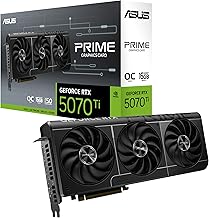
Partner RX 9070 GRE cards showcase RDNA 4 in a range of cooler designs, most sticking to a practical triple-fan or dual-fan layout that fits mainstream cases. The XFX Swift Gaming Edition and PowerColor Reaper favor clean, functional cooling, while premium models like the ASRock Steel Legend Dark with Polychrome SYNC RGB and the PowerColor Red Devil add flashier aesthetics and beefier heatsinks. The ASUS Prime EVO OC leans on axial-tech fans and dual ball-bearing durability, and Sapphire’s Pulse OC keeps things understated. Build quality across these partners is generally excellent, with 0dB silent modes on several cards keeping the GPU quiet at idle and light loads.
Performance
The RX 9070 GRE is built for high-refresh 1440p gaming, where its 12GB of GDDR6 and RDNA 4 architecture deliver strong, consistent frame rates in modern titles. Factory-overclocked models like the ASRock Steel Legend Dark, with a 2920MHz boost, and the Sapphire Pulse OC squeeze out extra performance, while the PowerColor Red Devil’s robust cooling allows sustained high clocks. The card handles ray tracing more competently than previous Radeon generations, and PCIe 5.0 with HDMI and DisplayPort 2.1 outputs future-proofs connectivity. For gamers targeting a 1440p high-refresh monitor, it offers a compelling balance of price and capability without stepping up to pricier flagship GPUs.
Pros & Cons
- Excellent 1440p high-refresh performance for its price tier.
- Generous 12GB GDDR6 memory for modern titles.
- Improved ray tracing over previous Radeon generations.
- Strong partner cooling, with quiet 0dB modes on many models.
- Ray tracing still trails NVIDIA’s equivalent RTX cards.
- Feature ecosystem lacks the maturity of DLSS and NVIDIA tools.
- Availability and pricing can vary between partner models.
Alternatives to Consider
If ray tracing and upscaling features are priorities, NVIDIA’s comparable RTX 50-series cards offer DLSS 4 and stronger RT performance, albeit often at a higher price. Budget-focused builders who game at 1080p could step down to a cheaper GPU and save meaningfully. Within the RX 9070 GRE range itself, choosing between a value model like the PowerColor Reaper and a premium Red Devil comes down to how much you value cooling headroom and aesthetics.
Frequently Asked Questions
Is the RX 9070 GRE good for 1440p gaming?
Yes, it is purpose-built for high-refresh 1440p, delivering strong, consistent frame rates in modern titles with its 12GB of GDDR6 and RDNA 4 architecture.
Which partner card should I buy?
For value, the PowerColor Reaper or XFX Swift are solid. For premium cooling and aesthetics, the ASRock Steel Legend Dark or PowerColor Red Devil are excellent factory-overclocked picks.
How does its ray tracing compare to NVIDIA?
RDNA 4 improves ray tracing significantly over past Radeon cards, but NVIDIA’s RTX equivalents still lead in RT performance and offer the mature DLSS 4 feature set.
Does it support the latest connectivity?
Yes, the RX 9070 GRE uses PCIe 5.0 and includes HDMI and DisplayPort 2.1 outputs, future-proofing it for high-refresh and high-resolution displays.
Verdict
The AMD Radeon RX 9070 GRE is a compelling 1440p graphics card that delivers strong performance and generous memory at a sensible price. For most builders, a well-cooled model like the ASRock Steel Legend Dark or PowerColor Red Devil is the pick, while value seekers will be well served by the PowerColor Reaper or XFX Swift.