Key takeaways
- Peak cooling: a 360mm AIO like the ARCTIC Liquid Freezer III Pro leads on the hottest, highest-wattage CPUs; top air coolers match 240mm AIOs.
- Reliability: air coolers have no pump or liquid to fail; AIOs carry a small long-term risk of pump wear or leaks.
- Noise: a large air cooler runs quiet at low fan speed; AIO fans plus a pump can be louder unless well tuned.
- Cost: air coolers deliver more cooling per dollar; AIOs cost more for equivalent performance.
- Clearance: tall air towers can block RAM or hit the side panel; AIOs free up space around the socket.
- Aesthetics: AIOs offer a cleaner look and RGB pump caps; air coolers are bulkier but simpler.
When it comes to keeping your gaming CPU cool, the eternal question is whether to go with a traditional air cooler or a liquid AIO (all-in-one) cooler. Both can keep a modern processor comfortably in check, but they differ in price, noise, aesthetics, installation, and long-term reliability. The right choice is not about which is objectively “better”, it is about which trade-offs suit your CPU, your case, and your priorities.
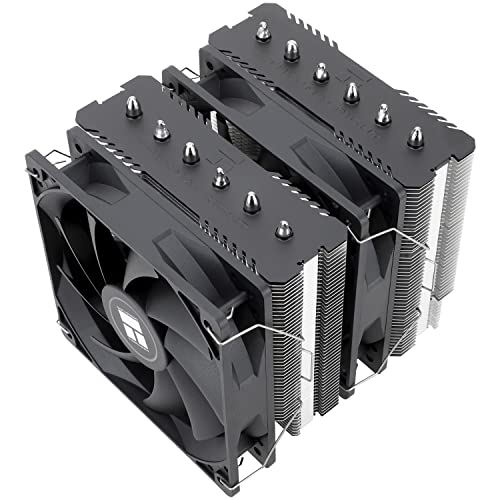
This comparison breaks down air versus water cooling honestly, covering thermal performance, noise, cost, looks, and the small but real risks of each. Whether you are considering a big air tower like the Thermalright Peerless Assassin 120 SE or a 360mm liquid cooler such as the ARCTIC Liquid Freezer III Pro, this guide will help you decide which approach delivers the cooling you need without paying for capacity you will not use.
Our top picks



As an Amazon Associate we earn from qualifying purchases at no extra cost to you. Ratings are shown as listed on Amazon.
⚡ Save on Your Next PC — Amazon Prime
Prime members get fast free shipping on the systems above, plus early access to Prime Day & Black Friday PC deals. New members get a 30-day free trial.
Watch: Air vs Water Cooling for Gaming PCs — Video Review
Quick Verdict
A high-end air cooler is the smarter choice for most gamers: it matches many 240mm AIOs in performance, costs less, never risks a leak or pump failure, and lasts the life of the PC. Liquid cooling pulls ahead on very high-wattage or overclocked CPUs, in cramped cases where a tall air tower will not fit, and for those who want a clean, modern look. If you want maximum value and reliability, go air; if you have a power-hungry chip or prioritize aesthetics, go water.
Key Differences
- Peak cooling: a 360mm AIO like the ARCTIC Liquid Freezer III Pro leads on the hottest, highest-wattage CPUs; top air coolers match 240mm AIOs.
- Reliability: air coolers have no pump or liquid to fail; AIOs carry a small long-term risk of pump wear or leaks.
- Noise: a large air cooler runs quiet at low fan speed; AIO fans plus a pump can be louder unless well tuned.
- Cost: air coolers deliver more cooling per dollar; AIOs cost more for equivalent performance.
- Clearance: tall air towers can block RAM or hit the side panel; AIOs free up space around the socket.
- Aesthetics: AIOs offer a cleaner look and RGB pump caps; air coolers are bulkier but simpler.
Air Cooling
Modern dual-tower air coolers are astonishingly capable. Units like the Thermalright Peerless Assassin 120 SE handle mainstream and even high-end CPUs with ease, running quiet because their large fin area lets the fans spin slowly. There is no pump to hum or fail, no liquid to evaporate over years, and no leak risk, making air the most reliable, set-and-forget option available.
The downsides are size and looks. A big air tower is heavy, can overhang tall RAM, and may not clear a compact case. Aesthetically it is a large metal block rather than a sleek radiator. But for pure cooling-per-dollar and long-term peace of mind, a quality air cooler is very hard to beat and is the right call for the majority of gaming builds.
Water Cooling (AIO)
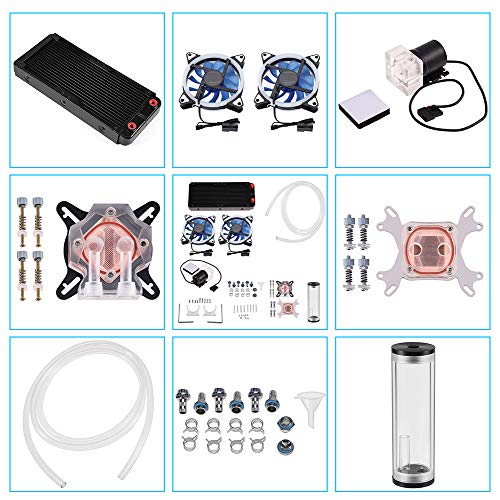
An all-in-one liquid cooler moves heat from the CPU through a pump to a radiator with fans, and the best 240mm and 360mm units like the ARCTIC Liquid Freezer III Pro or Thermalright Aqua Elite top the charts on the hottest chips. They also free up space around the socket, fit neatly in cases where a tall tower will not, and give that clean, modern look with a compact block and RGB accents.
The trade-offs are cost and complexity. AIOs cost more for equivalent cooling, the pump adds a potential point of failure, and there is a small leak risk over many years. They are the right choice for overclockers, flagship high-wattage CPUs, small cases, or builders who value aesthetics, but overkill for a midrange gaming rig that a good air cooler handles fine.
Which Should You Buy?
- Choose air cooling for the best value, reliability, and quiet operation on mainstream to high-end CPUs.
- Choose a 360mm AIO for flagship, high-wattage, or overclocked processors that generate the most heat.
- Choose liquid if a tall air tower will not fit your case or would block your RAM.
- Choose an AIO if a clean, modern aesthetic with RGB is a priority for your build.
- Choose air if you want a set-and-forget cooler with no pump or liquid to ever worry about.
Frequently Asked Questions
Is liquid cooling always better than air?
No. A top air cooler matches many 240mm AIOs and beats cheaper liquid units, all while being more reliable and often quieter. Liquid only clearly wins on the hottest, highest-wattage CPUs or when you need the space and aesthetics.
Will an AIO leak and destroy my PC?
It is rare with quality units, which are sealed and tested to last many years, but the small risk is real over a long lifespan. Air coolers eliminate that possibility entirely, which is a genuine point in their favor for cautious builders.
Do I need liquid cooling for gaming?
Almost never. A good air cooler keeps virtually any gaming CPU well within safe temperatures. Liquid cooling is a preference for aesthetics, space, or extreme overclocking, not a requirement for excellent gaming performance.
How long does an AIO last?
Quality AIOs are typically rated for many years of continuous use, and good ones come with long warranties. Over a very long lifespan the coolant can slowly evaporate and the pump can wear, whereas a good air cooler simply keeps working indefinitely.
Final Verdict
For most gamers, a premium air cooler is the pragmatic winner: cheaper, quieter, and more reliable, with performance that rivals mid-tier liquid coolers. Reach for a 240mm or 360mm AIO when you run a truly hot CPU, have tight clearance, or want the sleek look. Match the cooler to your chip’s heat output rather than the hype, and your CPU will stay cool either way.