Key takeaways
- Affordable entry into modern 1080p gaming
- RTX 5060 adds DLSS 4 and GDDR7 performance
- Compact designs fit small and budget builds
- Low power draw on RTX 3050 models
Shoppers searching for a “GTX 4050” are usually hunting for an affordable, entry-level graphics card that can handle 1080p gaming without breaking the bank. While NVIDIA never released a card by that exact name, today’s budget lineup of RTX 5060, RTX 3050, and similar cards fills exactly that role and then some.
We looked at the best current budget and entry graphics cards to help anyone chasing that GTX 4050 sweet spot find a modern option that actually exists and performs. Here’s the full breakdown.
Our top picks
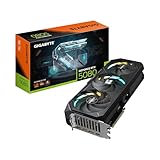
 GIGABYTE GeForce RTX 5060 WINDFORCE OC 8G
- Powered by the NVIDIA Blackwell architecture and DLSS…
- Powered by GeForce RTX 5060
- Integrated with 8GB GDDR7 128bit memory interface
 msi Gaming RTX 3050 Ventus 2X 6G
- Chipset: GeForce RTX 3050
- Boost Clock / Memory: 1492 MHz / 14…
- Video Memory: 6GB GDDR6
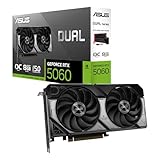
 ASUS Dual NVIDIA GeForce RTX 5060 8GB
- AI Performance: 623 AI TOPS
- OC mode: 2565 MHz (OC mode)/ 2535 MHz…
- Powered by the NVIDIA Blackwell architecture and DLSS…
| Product | Key specs | |
|---|---|---|
| GIGABYTE GeForce RTX 5060 WINDFORCE OC 8G | Powered by the NVIDIA Blackwell architecture and DLSS… Powered by GeForce RTX 5060 Integrated with 8GB GDDR7 128bit memory interface | Check price |
| msi Gaming RTX 3050 Ventus 2X 6G | Chipset: GeForce RTX 3050 Boost Clock / Memory: 1492 MHz / 14… Video Memory: 6GB GDDR6 | Check price |
| ASUS Dual NVIDIA GeForce RTX 5060 8GB | AI Performance: 623 AI TOPS OC mode: 2565 MHz (OC mode)/ 2535 MHz… Powered by the NVIDIA Blackwell architecture and DLSS… | Check price |
 ASUS Dual NVIDIA GeForce RTX 3050 6GB | NVIDIA Ampere Streaming Multiprocessors: The all-new Ampere SM… 2nd Generation RT Cores: Experience 2X the throughput… 3rd Generation Tensor Cores: Get up to 2X… | Check price |
 GIGABYTE GeForce RTX 3050 WINDFORCE OC V2 | NVIDIA Ampere Streaming Multiprocessors 2nd Generation RT Cores 3rd Generation Tensor Cores | Check price |
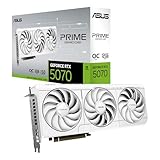
 ASUS Dual NVIDIA GeForce RTX 5060 Ti | AI Performance: 767 AI TOPS OC mode: 2632 MHz (OC mode)/ 2602 MHz… Powered by the NVIDIA Blackwell architecture and DLSS… | Check price |
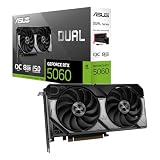
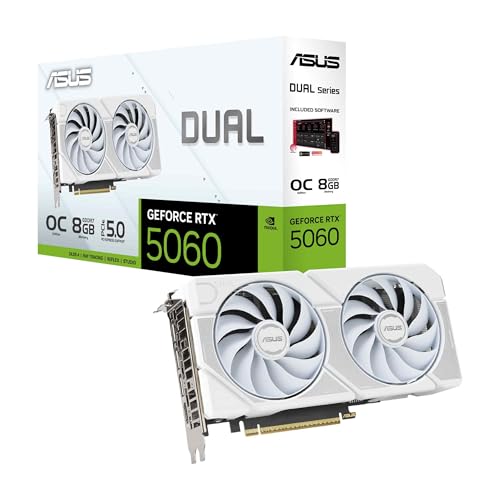 ASUS Dual NVIDIA GeForce RTX™ 5060 8GB | AI Performance: 623 AI TOPS OC mode: 2565 MHz (OC mode)/ 2535 MHz… Powered by the NVIDIA Blackwell architecture and DLSS… | Check price |
As an Amazon Associate we earn from qualifying purchases at no extra cost to you.
🎮 Get More From Your Setup — Free
Prime Gaming gives you free PC games every month, in-game loot, and a free Twitch channel sub — plus fast free shipping on all the gear above. New members get a 30-day free trial.
Watch: Gtx 4050: Review & Buyer’s Guide — Video Review
Design & Build
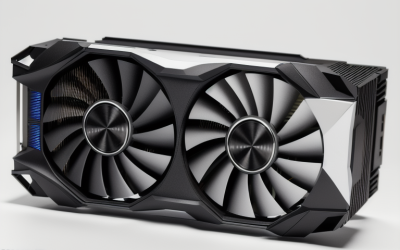
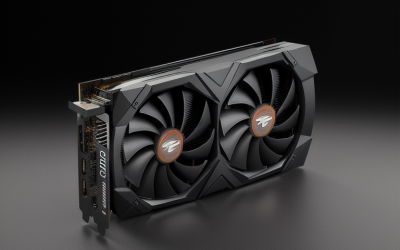
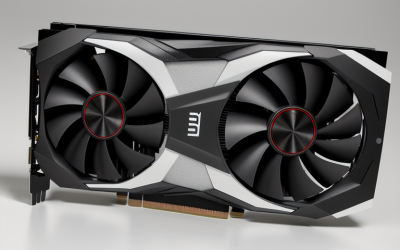
Entry-level cards are compact and easy to fit, making them ideal for small builds and budget cases. The GIGABYTE RTX 5060 WINDFORCE OC and ASUS Dual RTX 5060 use efficient dual-fan coolers in a tidy 2.5-slot form, while the ZOTAC RTX 5060 Solo is an SFF-ready ultra-compact card for the smallest cases. On the more affordable end, the MSI RTX 3050 Ventus 2X and ASUS Dual RTX 3050 6GB models are slim, low-power cards that often run without demanding extra power connectors, perfect for modest systems and prebuilt upgrades.
Performance
Modern entry cards comfortably outclass what a hypothetical GTX 4050 would have offered. The RTX 5060 models, with 8GB of GDDR7 and DLSS 4 support, deliver smooth high-settings 1080p gaming and even stretch into 1440p with upscaling, a big step up thanks to Blackwell architecture. The RTX 3050 6GB cards are the true budget tier, handling esports titles and lighter games well while sipping power. If you want the best value for 1080p gaming, the RTX 5060 is the clear performance leader, while the RTX 3050 suits the tightest budgets and low-power builds.
Pros & Cons
- Affordable entry into modern 1080p gaming
- RTX 5060 adds DLSS 4 and GDDR7 performance
- Compact designs fit small and budget builds
- Low power draw on RTX 3050 models
- 8GB VRAM can limit very high-res texture settings
- RTX 3050 is dated for demanding new titles
Alternatives to Consider
If your budget allows, the GIGABYTE or ASUS RTX 5060 is the best pick for future-ready 1080p gaming with DLSS 4. Buyers on the tightest budget or upgrading a low-power prebuilt should look at the MSI RTX 3050 Ventus 2X or ASUS Dual RTX 3050 6GB, and those wanting the smallest card will appreciate the SFF-ready ZOTAC RTX 5060 Solo.
Frequently Asked Questions
Does a GTX 4050 actually exist?
No, NVIDIA never released a card by that name. Shoppers looking for it are best served by current entry cards like the RTX 5060 or RTX 3050, which fill the same budget role.
Is the RTX 5060 good for 1080p gaming?
Yes, it’s an excellent 1080p card with modern DLSS 4 support, handling most titles at high settings and even reaching 1440p with upscaling enabled.
How much VRAM do I need for 1080p?
8GB, as found on the RTX 5060, is comfortable for 1080p today. The 6GB RTX 3050 works for esports and lighter games but can feel tight in newer titles.
Do these cards need extra power?
Many RTX 3050 6GB models run on slot power alone, ideal for prebuilt upgrades, while RTX 5060 cards typically need a single power connector. Check your PSU before buying.
Verdict
For anyone chasing a GTX 4050, the modern RTX 5060 is the smart pick, delivering strong 1080p performance and DLSS 4 for a modest price. Budget-focused buyers and low-power builds are well served by the RTX 3050 6GB models instead.