Key takeaways
- Target resolution: A 1080p gamer needs far less horsepower than someone gaming at 1440p or 4K, so buy for the monitor you actually use.
- VRAM: 8GB is a solid baseline today, while 16GB gives more headroom for high-texture games and future titles.
- Generation and features: Newer cards add DLSS 4 and better efficiency, which stretch performance further than raw specs suggest.
- Power and size: Check your power supply and case clearance; slimmer 2 to 2.5-slot cards fit more builds.
- New vs. budget legacy: Modern mainstream cards are the value core, but older models can still serve very tight budgets and basic gaming.
What's inside
Getting the best graphics card for the money is all about matching real-world performance to your resolution and budget, not chasing the biggest number. The current market spans efficient mainstream cards that crush 1080p and 1440p gaming to older value picks that keep budget builds alive. The lineup here covers a wide spread of price and performance.
Below are our favorite value GPUs right now, followed by a buying guide to help you spot the sweet spot between cost and frame rates. Whether you are building a new rig or upgrading an aging one, these cards deliver the most gaming per dollar.
As an Amazon Associate we earn from qualifying purchases at no extra cost to you. Product prices and availability are accurate as of the date shown and are subject to change.


🎮 Get More From Your Setup — Free
Prime Gaming gives you free PC games every month, in-game loot, and a free Twitch channel sub — plus fast free shipping on all the gear above. New members get a 30-day free trial.
Watch: Best Gpu For Price — Video Review
How to Choose a Value GPU
- Target resolution: A 1080p gamer needs far less horsepower than someone gaming at 1440p or 4K, so buy for the monitor you actually use.
- VRAM: 8GB is a solid baseline today, while 16GB gives more headroom for high-texture games and future titles.
- Generation and features: Newer cards add DLSS 4 and better efficiency, which stretch performance further than raw specs suggest.
- Power and size: Check your power supply and case clearance; slimmer 2 to 2.5-slot cards fit more builds.
- New vs. budget legacy: Modern mainstream cards are the value core, but older models can still serve very tight budgets and basic gaming.
The Best Value GPUs Reviewed
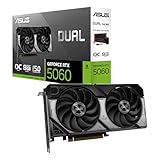
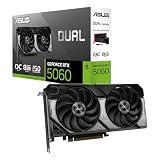
ASUS Dual GeForce RTX 5060 8GB OC
This RTX 5060 hits the mainstream sweet spot with 8GB of fast GDDR7, DLSS 4 support, and a quiet, compact 2.5-slot design. It is a superb 1080p and entry 1440p card that offers modern features at an accessible price, making it our all-round value favorite.
GIGABYTE GeForce RTX 5060 WINDFORCE OC
An alternative take on the RTX 5060, this WINDFORCE model pairs the same capable GPU with a robust dual-fan cooler and 8GB of GDDR7. It is a strong pick if you want dependable cooling and PCIe 5.0 support in a value-focused card.
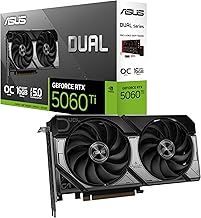
ASUS Dual GeForce RTX 5060 Ti 16GB OC
Stepping up, the RTX 5060 Ti with a generous 16GB of GDDR7 is the pick for 1440p gamers who want extra VRAM headroom. The larger memory buffer helps in demanding titles and future games, justifying the modest price bump for many builders.
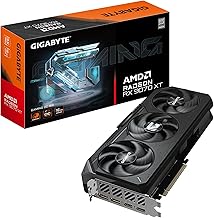
ASUS Prime Radeon RX 9070 XT 16GB OC
For those with a bigger budget chasing high-refresh 1440p and entry 4K, the RX 9070 XT brings 16GB of GDDR6 and strong raw performance. It is the enthusiast value option here, delivering serious frames per dollar at the higher end.
ASUS Dual GeForce RTX 3050 6GB OC
The most budget-friendly current-gen pick, the RTX 3050 6GB is a compact, low-power card for esports and light 1080p gaming. It slots easily into small or older systems and keeps entry-level builds affordable.
Frequently Asked Questions
Is 8GB of VRAM enough in 2026?
For 1080p and most 1440p gaming, yes. If you play the most demanding titles at high textures, a 16GB card like the RTX 5060 Ti offers more comfort.
What is the best GPU for 1080p gaming?
The RTX 5060 is the standout, delivering high frame rates at 1080p with DLSS 4 support and a reasonable price.
Do I need a new power supply for these cards?
Mainstream cards like the RTX 5060 are efficient, but always check your PSU wattage and connectors before upgrading, especially for the higher-end RX 9070 XT.
Is it worth buying an older GPU to save money?
Only on very tight budgets. Modern cards offer better efficiency and features like DLSS 4 that make them the smarter long-term value.
Final Thoughts
The best GPU for the price is the one that matches your monitor and budget. The RTX 5060 is our overall value champion, the RTX 5060 Ti 16GB is ideal for 1440p and future-proofing, the RX 9070 XT serves high-end value seekers, and the RTX 3050 keeps entry builds affordable. Buy for your resolution, check your power and clearance, and you will get the most gaming per dollar.