Key takeaways
- Strong 4K and 1440p performance from RDNA 4.
- 16GB of VRAM for high-texture 4K headroom.
- Improved ray tracing over previous AMD cards.
- Excellent price-to-performance versus flagship rivals.
What's inside
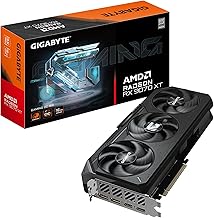
AMD’s Radeon RX 9070 XT arrived as a serious challenger in the high-end GPU space, built on the new RDNA 4 architecture with 16GB of GDDR6 and genuine 4K gaming ambitions. It targets players who want maxed-out 1440p and capable 4K performance without paying flagship prices, and it has quickly become one of the most talked-about cards of the generation.
This review evaluates the RX 9070 XT for 4K gaming through the lens of leading board-partner cards from XFX, Sapphire, and ASUS, to help you understand its real capabilities and which model to pick. If you’re building or upgrading a 4K rig, the 9070 XT deserves a close look.
As an Amazon Associate we earn from qualifying purchases at no extra cost to you. Product prices and availability are accurate as of the date shown and are subject to change.



🎮 Get More From Your Setup — Free
Prime Gaming gives you free PC games every month, in-game loot, and a free Twitch channel sub — plus fast free shipping on all the gear above. New members get a 30-day free trial.
Watch: Amd Rx 9070 Xt 4k Gaming: Review & Buyer’s Guide — Video Review
Design & Build
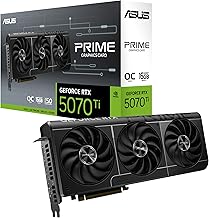
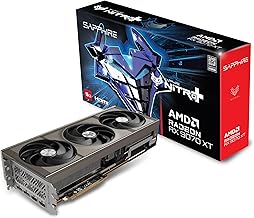
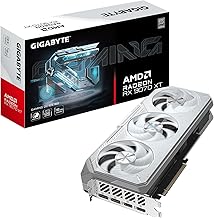
Board partners have produced a strong lineup around the 9070 XT. The Sapphire Nitro+ is the premium flagship with elaborate cooling and an OC out of the box, while the Sapphire Pulse offers the same silicon in a more value-focused package. XFX fields the Swift triple-fan and the RGB-laden Mercury OC, and ASUS covers both ends with the Prime and the robust TUF Gaming model featuring military-grade components.
All carry 16GB of GDDR6, PCIe 5.0, and HDMI/DisplayPort 2.1 outputs, the connectivity you want for high-refresh 4K displays. Cooling designs are generally excellent, keeping the RDNA 4 core quiet and cool, though the beefier models like the Nitro+ and TUF demand more case clearance.
Performance
At 4K, the RX 9070 XT delivers strong, playable frame rates in modern titles, especially with upscaling enabled, and it’s a monster at high-refresh 1440p where it rarely breaks a sweat. The 16GB of VRAM is a real asset for 4K, providing headroom for high-texture settings that leaner cards struggle with. RDNA 4 also brings improved ray-tracing performance over previous AMD generations.
For 4K, this is a card that hits the sweet spot of price and capability: it won’t always match the very top-tier flagships in raw ray-traced output, but for rasterized 4K gaming and high-refresh 1440p it offers outstanding value. Factory-overclocked models like the Nitro+ and Mercury OC squeeze out extra frames.
Pros & Cons
- Strong 4K and 1440p performance from RDNA 4.
- 16GB of VRAM for high-texture 4K headroom.
- Improved ray tracing over previous AMD cards.
- Excellent price-to-performance versus flagship rivals.
- Not the ray-tracing leader against top-tier competitors.
- Large premium models need ample case clearance.
- Best 4K results rely on upscaling in demanding titles.
Alternatives to Consider
If you want the best cooling and highest out-of-box clocks, the Sapphire Nitro+ or XFX Mercury OC are the premium picks. Value-focused 4K builders should look at the Sapphire Pulse or ASUS Prime, which deliver the same core performance for less, while the ASUS TUF Gaming model suits those prioritizing durable components and reliable cooling.
Frequently Asked Questions
Is the RX 9070 XT good for 4K gaming?
Yes. It delivers strong, playable 4K performance in modern titles, especially with upscaling, and its 16GB of VRAM gives real headroom for high textures.
How much VRAM does it have?
The RX 9070 XT carries 16GB of GDDR6, ample for 4K gaming and future titles with demanding texture requirements.
How is its ray-tracing performance?
RDNA 4 significantly improves ray tracing over previous AMD generations, though the very top-tier competitor cards still lead in the most demanding ray-traced scenarios.
Which 9070 XT model should I buy?
For premium cooling, the Sapphire Nitro+ or XFX Mercury OC; for value, the Sapphire Pulse or ASUS Prime. All share the same core performance.
Verdict
The AMD Radeon RX 9070 XT is an excellent choice for 4K and high-refresh 1440p gaming, pairing RDNA 4 performance with a generous 16GB of VRAM at a compelling price. The Sapphire Nitro+ leads for enthusiasts, while the Pulse and ASUS Prime offer the same 4K capability for value-minded builders.