Key takeaways
- Under $600, thin and light does not mean premium ultrabook. It means around 2.8 to 3.5 pounds, mostly plastic, with a 15.6-inch or 14-inch 1080p screen and a 45-60Wh battery. If you go in expecting a MacBook Air feel, you…
Under $600, thin and light does not mean premium ultrabook. It means around 2.8 to 3.5 pounds, mostly plastic, with a 15.6-inch or 14-inch 1080p screen and a 45-60Wh battery. If you go in expecting a MacBook Air feel, you will be disappointed. If you go in expecting a comfortable daily carry for school and office work, there are good values here.
The sweet spot right now is a Ryzen 5 7530U / 7640U or Intel Core i3-1315U / i5-1334U machine with 16GB RAM and 512GB SSD, often on sale for $450 to $580. That combination handles Chrome with 20 tabs, Zoom, Office, and light photo editing without constant swapping. Anything with 8GB RAM soldered and a dim 250-nit screen will feel cheap within a year, even if it is lighter on paper.

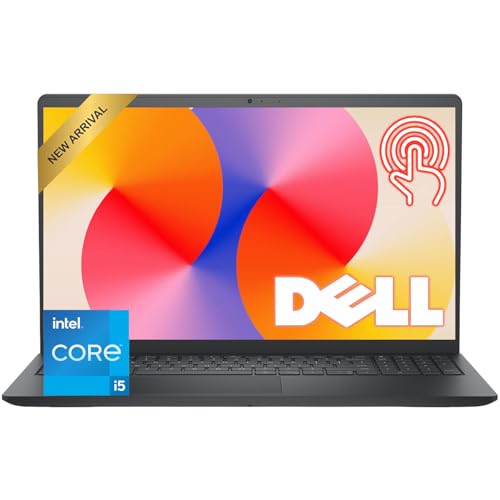
HP 14 inch Laptop Computer, 2027 Edition, Intel N150 CPU, 4GB RAM, 128GB SSD, 1TB Cloud Storage, Windows 11 with Microsoft 365
Included for 'Best Thin and Light Laptop Under $600' because the listing specifies 2027 Edition and Intel N150 CPU, details this guide uses to compare options.
View on Amazon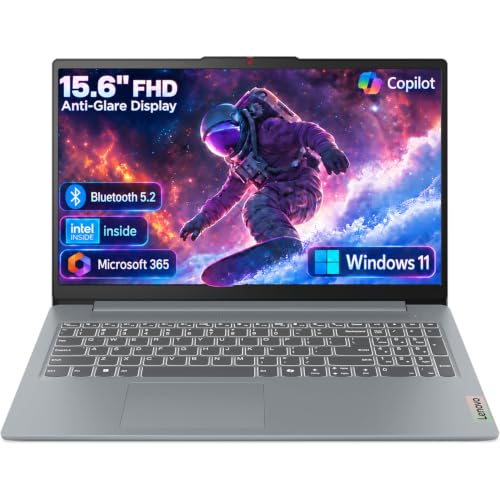
Lenovo Business 15.6" FHD Laptop, Intel Processor, 8GB DDR5, 128GB Storage
Included for 'Best Thin and Light Laptop Under $600' because the listing specifies Intel Processor and 8GB DDR5, details this guide uses to compare options.
View on Amazon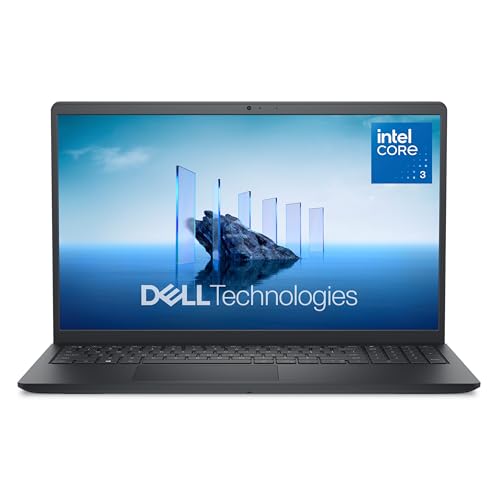
Dell 15.6 Laptop, FHD, Intel Core 3 100U, 8 GB RAM, Windows 11 Home
Included for 'Best Thin and Light Laptop Under $600' because the listing specifies FHD and Intel Core 3 100U, details this guide uses to compare options.
View on AmazonWhat $600 actually buys you
Weight savings at this price come from smaller batteries and flexier chassis, not magnesium or carbon fiber. Most models use a plastic lid and deck with an aluminum-look finish. Hinge wobble and keyboard flex are common. That is not a dealbreaker for backpack use, but do not pick them up by the corner of the screen.
Performance is fine for most people. The trade-off is screen, speakers, and thermals. You will see a lot of 300-nit IPS panels with 45% NTSC color — readable indoors, washed out near a window, and weak for color-critical work. Fans also spin up fast because the heatsinks are thin. For class notes and Word, it is silent. For 30 minutes of sustained load, expect noise and warm palm rests.
Failure modes I see repeatedly: single-channel 8GB RAM that cannot be upgraded, 128GB or 256GB eMMC or slow SSDs that fill up after Windows updates, and barrel chargers instead of USB-C charging. All three make a light laptop annoying to live with. Prioritize 16GB RAM, a real NVMe SSD you can replace, and USB-C charging if you travel.
Quick comparison of the best types
Instead of chasing one model number — retailers swap configurations weekly — shop by configuration. These four types cover almost everything worth buying under $600:
| Type | Typical weight / screen | Key specs to look for | Best for | Main compromise |
|---|---|---|---|---|
| 14-inch Ryzen 5 thin laptop | 3.0-3.3 lbs, 14″ 1080p IPS | Ryzen 5 7530U/7640U, 16GB, 512GB | School, commuting | Average speakers, 8-10 hr battery |
| 15.6-inch Intel i3/i5 value laptop | 3.5-3.8 lbs, 15.6″ 1080p IPS | i3-1315U or i5-1334U, 16GB, 512GB | Work, spreadsheets | Heavier, dimmer base screens |
| 2-in-1 convertible with pen | 3.3-3.6 lbs, 14″ touch 1080p | Ryzen 5 or i3, 8-16GB, 512GB | Notes, PDFs, teaching | Shorter battery, more hinge wear |
| Chromebook Plus 14-inch | 2.8-3.1 lbs, 14″ 1080p | Intel i3-N305 or better, 8GB, 128GB+ | Browser-only users, kids | No real Windows apps, weak offline |
Best for school and commuting: 14-inch Ryzen 5
This is the pick for most students. A 14-inch chassis fits in any backpack, and Ryzen 5 7000-series chips are efficient at low power. Look for 14-inch Ryzen 5 laptops with 16GB RAM around $480 to $580 on sale. At 16GB, you can keep Canvas, Google Docs, Spotify, and Zoom open without reloads.
Who it suits: high school and college students who carry the laptop daily and live in a browser plus Office. Who should skip: engineering students running VMs, SolidWorks, or large datasets — you need more RAM and better cooling than these thin chassis offer.
Trade-offs: battery life is usually 7 to 10 hours of real mixed use, not the 12+ claimed. The 300-nit screen is fine in classrooms but struggles outdoors. Check the RAM: many listings sell an 8GB version for $399 that looks identical. The cheaper option is fine only if you truly do browser plus docs and never keep more than 10 tabs open. For $50 more, 16GB is worth it for longevity.
Best for office work: 15.6-inch Intel i3 or i5
If the laptop mostly moves from desk to couch to office, take the extra half-pound and get a 15.6-inch keyboard with a number pad. The best values are 15.6-inch Intel i5 thin laptops with 16GB and 512GB. The larger chassis runs cooler and the bigger screen helps with Excel and split-window writing.
Failure mode to watch: base models with 1366×768 TN panels still show up under $400. Do not buy them. Insist on 1920×1080 IPS. Also check for USB-C charging — some budget 15-inchers still ship with a barrel plug only, which means carrying a proprietary brick.
This type is heavier and less fun to hold one-handed, but for 8-hour workdays the typing comfort and thermals are better than a cramped 14-inch. If you dock to a monitor, make sure it has HDMI 1.4 or better and that the USB-C port actually supports DisplayPort, not just data.
Best 2-in-1 for notes: budget convertible
A convertible makes sense if you hand-write notes, mark up PDFs, or teach. You do not need an expensive OLED pen display for this. A 14-inch 1080p touch IPS with a bundled or $30 active pen is enough for OneNote and web whiteboards. Search 14-inch 2-in-1 touch laptops and filter to 16GB RAM if you can find it under $600.
Be honest about the compromise: convertibles at this price are thicker, hinges loosen after a year of flipping, and tent mode drains battery faster. Pen accuracy is decent, not artistic. If you only take notes twice a week, a regular clamshell plus a cheap tablet is often better. Buy the 2-in-1 only if pen input is weekly, not occasional.
When a Chromebook Plus is actually better
If all your work is Gmail, Docs, Classroom, and streaming, a Chromebook Plus is lighter, quieter, and easier to manage than a cheap Windows laptop. Boot is seconds, battery often hits 10 hours, and you avoid Windows bloat and antivirus nagging. It is a good gift for younger students and parents who just browse.
The limit is hard: no full Office macros, no Adobe desktop apps, no PC games, and printing can be fiddly. Storage is also small — 128GB fills fast if you download videos offline. Do not buy one thinking you will install Windows software later. Buy it because you want less maintenance, not because it is $100 cheaper.
What to check before you click buy
Screen brightness and RAM type matter more than CPU brand here. Get 1080p IPS at 300 nits or higher if you work near windows. Get 16GB RAM if the RAM is soldered — and at this price, assume it is unless the spec sheet explicitly says SO-DIMM slots. For storage, 512GB NVMe is the practical minimum for Windows; 256GB works only with cloud storage discipline.
Also weigh the charger. A 65W USB-C GaN charger weighs almost nothing and can charge your phone too. If the laptop requires a 90W barrel charger, add half a pound to the real travel weight. Keyboard backlight, fingerprint reader, and Wi-Fi 6 are nice bonuses that often appear in the $500 to $600 range — worth taking when two listings are otherwise tied. You can compare current thin and light laptops under $600 by filtering for those three features.
FAQ
Is 8GB RAM enough in a thin laptop under $600?
For light browsing and one app at a time, yes. For school with Zoom plus 15 Chrome tabs plus Office, 8GB will stutter. Since most thin models have soldered RAM, buy 16GB up front if you keep laptops for 3+ years.
Can I game on these laptops?
Light games like Minecraft, Stardew Valley, League of Legends, and browser games run fine on Ryzen 5 integrated graphics at 1080p low. Expect 30-60 fps with lowered settings. Do not buy these for AAA games, video editing, or 3D rendering — they throttle quickly and lack a dedicated GPU.
Is a lighter laptop always less durable?
Not always, but under $600 lighter usually means thinner plastic and a smaller battery, not stronger materials. A 3.3-pound plastic laptop can survive backpack life if you do not twist the lid and you use a sleeve. Hinge and charger port failures are more common than screen cracks.
Should I choose a 14-inch or 15.6-inch for portability?
Choose 14-inch if you walk with it daily and take notes on small desks. Choose 15.6-inch if it mostly sits on a desk and you work in spreadsheets or side-by-side documents. The weight difference is about 0.5 pounds, but the footprint difference matters more in lecture halls and on planes.