Key takeaways
- Music production is one of the hardest jobs to do on a $600 laptop. A DAW like Ableton Live, FL Studio, or Reaper doesn’t need a gaming GPU, but it does punish weak CPUs, too little RAM, and slow storage.…
Music production is one of the hardest jobs to do on a $600 laptop. A DAW like Ableton Live, FL Studio, or Reaper doesn’t need a gaming GPU, but it does punish weak CPUs, too little RAM, and slow storage. Add 20 tracks, a few virtual instruments, and some effects, and a $350 school laptop will stutter, click, and crash.
That doesn’t mean you can’t produce under $600. You just have to buy for the right things: CPU threads, 16GB of RAM if possible, a real SSD, and quiet, stable performance. Here’s how to think about it without wasting money.
What actually matters for a DAW under $600
For music work, prioritize in this order: CPU, RAM, SSD, screen and ports, then everything else. A 6-core AMD Ryzen 5 7530U / 7535U or Intel Core i5-1335U will handle far more plugins than an Intel N100, Pentium, or older dual-core, even if the latter claims a high boost clock. If you use a lot of soft synths like Serum, Vital, Omnisphere, or Kontakt libraries, cores matter.
RAM is your second bottleneck. 8GB is workable for beginners doing audio recording, drum loops, and light MIDI. 16GB is what you want if you stack virtual instruments, sample libraries, or use large orchestral packs. Storage should be a 512GB NVMe SSD minimum. Sample packs and project bounces fill 256GB fast, and an old spinning hard drive will make loading instruments painful.
Don’t shop by speaker quality. You will mix on headphones or monitors anyway. Shop for low fan noise, a decent keyboard, and enough USB-A ports for your interface, MIDI keyboard, and dongle. A single USB-C-only laptop gets annoying fast with an audio interface attached.
The best value: refurbished business laptops
For most people under $600, a refurbished business-class machine gives you the most stable DAW experience. These were $1,200+ laptops built for all-day office work, which means better cooling, better keyboards, and easier RAM/SSD upgrades than a new $399 consumer laptop.
Look for refurbished Lenovo ThinkPad T-series, Dell Latitude 5000/7000 series, or HP EliteBook 800-series from the last 4-5 years with a quad- or 6-core i5/Ryzen 5 PRO, 16GB RAM, and 512GB SSD. They typically sell for $280-$500. The trade-off is battery life and screen brightness — many have dim 250-nit screens — and you need to buy from a seller with a real 1-year warranty and return window.
Who this suits: vocalists, guitarists, and beatmakers recording audio + MIDI who want stable ASIO performance and lots of ports. Failure mode to watch: sellers listing “16GB” machines that actually have a failing battery or worn SSD. Ask for battery health and CrystalDiskInfo SSD health if it’s not listed, and budget $40 for a fresh thermal paste / fan cleaning if fans run loud after a year.
If you want new: get Ryzen 5 with 16GB
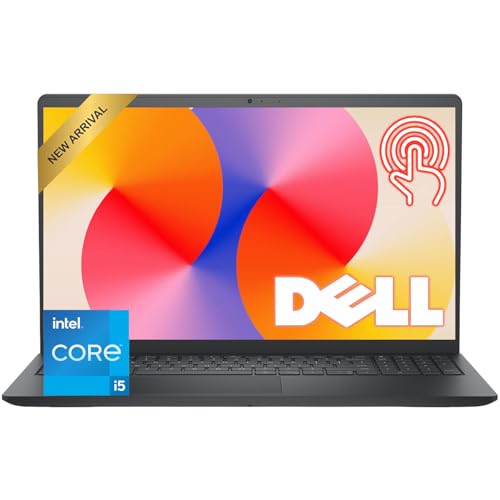
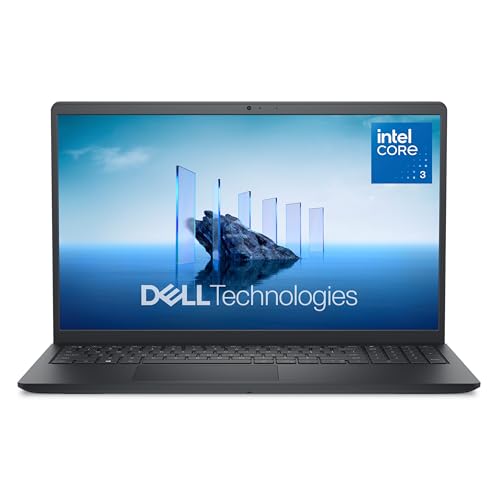
If you don’t want refurbished, your best new option is a budget 15.6-inch Windows laptop with Ryzen 5 7530U, Ryzen 5 8640U, or Core i5-1335U, 16GB RAM, and 512GB SSD. This configuration regularly dips to $450-$599 on sale and will run Reaper, FL Studio, and Ableton Live Lite/Intro projects without constant freezing.
When browsing, filter specifically for a Ryzen 5 16GB RAM laptop rather than just sorting by price. The $379 versions that look identical usually have 8GB soldered RAM and a slower display, and you can’t fix that later. 16GB soldered is fine; 8GB soldered is where beginners get stuck.
Who this suits: students and first-time producers who need a warranty and want one machine for school + music. Be honest about limits: you will still need to freeze tracks and bounce MIDI to audio once you pass 25-30 tracks with heavy effects. The cheaper 8GB option is only fine if you work mostly with audio stems and stock plugins, not big Kontakt libraries.
Quick comparison: which $600 approach fits you?
| Type | Typical Price | Pros for Music | Cons / Failure Modes | Best For |
|---|---|---|---|---|
| Refurbished business (i5/Ryzen 5 PRO, 16GB/512GB) | $280-$500 | Best build, quiet cooling, upgradeable, lots of ports | Dimmer screen, shorter battery, lottery on wear | Recording vocals/guitar, stable live use |
| New budget Ryzen 5 / i5, 16GB/512GB | $450-$599 | Warranty, faster efficiency cores, clean battery/SSD | Louder fans, flimsier chassis, often soldered RAM | Students, FL/Ableton beginners |
| Cheap new (N100, 4-8GB, 128-256GB) | $229-$379 | Light, cheap, fine for writing lyrics | CPU spikes, dropouts, no headroom for VSTs | Only if you record 2-4 tracks max |
What to avoid
Avoid anything with 4GB RAM, eMMC storage, or Intel Celeron / Pentium / N-series if music is the main job. They can open Audacity, but they choke on real-time VST processing. Also avoid Chromebooks for production. Even the nice ones don’t run full desktop FL Studio or Ableton, and Android / web DAWs are a compromise.
Be careful with gaming laptops in this price range. A $599 laptop with an older GTX 1650 sounds tempting, but vendors cut corners to include that GPU: 8GB RAM, loud fans, and a heavy brick. For music, a quieter integrated-GPU Ryzen with 16GB will outperform it. Only pick the gaming chassis if you also edit video or game.
Another failure mode: Bluetooth for monitoring. Don’t mix over Bluetooth headphones — latency is 150ms+ and timing will feel off. Use wired headphones straight into your interface. If the laptop has a noisy headphone jack (hiss when CPU ramps), a $99 USB interface fixes it completely. A basic USB audio interface for music production matters more than spending an extra $100 on the laptop.
Setup tips that matter more than specs
Once you buy, install the ASIO driver for your interface (ASIO4ALL only if you have no interface), set your buffer to 128-256 samples for recording and 512-1024 for mixing, and keep projects on the internal SSD. USB flash drives and old external HDDs cause pops.
Keep 20% SSD space free. A full SSD gets much slower at saving and bouncing. Store finished projects and sample libraries you rarely use on an external drive, like a 1TB portable SSD for laptop, and keep active songs internal.
If fans kick on during vocal takes, lift the back of the laptop 1 inch for airflow, switch Windows to Balanced instead of Best Performance, and freeze synth tracks before recording. That drops CPU load and room noise more than any “silent laptop” marketing.
FAQ
Is 8GB RAM enough for music production?
Yes for starter projects: 10-15 audio tracks, stock EQ/compression, and a couple virtual instruments. If you use Serum, Kontakt, or Omnisphere heavily, get 16GB. Upgrading later is often $30-$50 if the laptop has an open slot, but many thin models have soldered RAM, so check before you buy.
Mac or Windows under $600?
At this price, Windows gives you far more CPU and upgradeability. A $600 Mac will be a very old used Intel MacBook with expiring OS support and poor battery. Stick with Windows unless you already own Logic Pro projects you must open.
Do I need an audio interface right away?
If you only make beats with samples and MIDI, no. If you record vocals, guitar, or bass, yes. Even an entry-level 2-in/2-out interface lowers latency and gives you proper mic preamps and phantom power, which no laptop headphone jack provides.
What CPU should I target?
Look for 6 cores / 12 threads or better: Ryzen 5 7530U/7535U/8640U or Intel i5-1335U/1345U as a baseline. Avoid dual-core chips. More single-core speed helps live playing feel snappier, more cores help mixing with lots of plugins.